- Duration: 2 Days
Inclusion:
Meals
Transfer
Hotel
Sightseeing
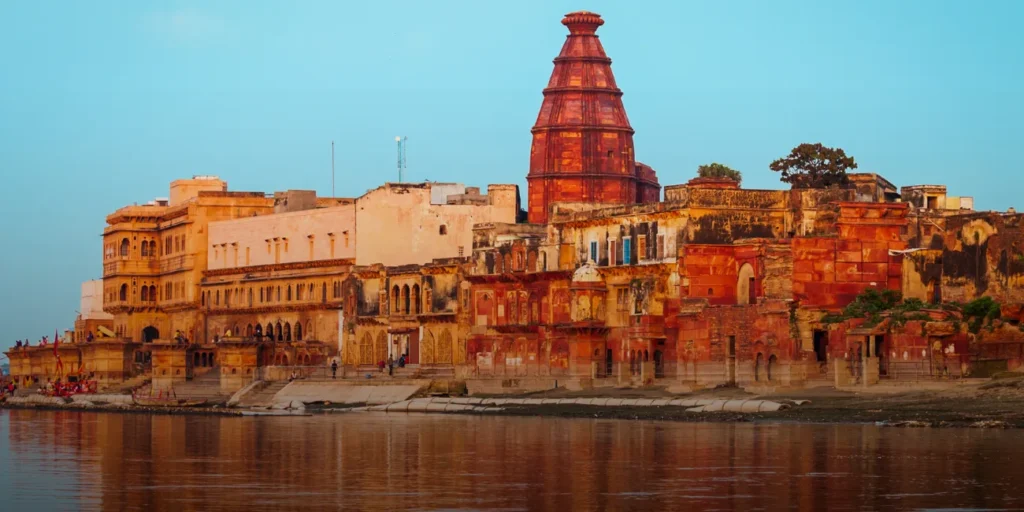
Vrindavan is one of those places where belief feels quietly present, not announced. Faith here does not sit inside temples alone; it moves through lanes, morning chants, evening lamps, and the way locals greet each other. Just a little away is Mathura, known across India as the birthplace of Lord Krishna. The presence of Shri Krishna Janmabhoomi gives the town a gravity that visitors sense the moment they arrive, even before they understand the stories.
Vrindavan is never seen in isolation. It sits naturally within the larger Krishna pilgrimage circuit, connecting places like Gokul, Barsana, Govardhan, Kurukshetra, Dwarka, and Puri. In the Braj region, greetings like “Radhe Radhe” or “Hare Krishna” are not phrases; they are habits of faith. Many devotees believe that Krishna still returns to Vrindavan each night to be with Radha, and whether one believes it literally or not, the town carries that feeling with remarkable ease.
Tour Highlights
Vrindavan – Where daily life moves with devotion
Vrindavan is not about monuments alone. The rhythm of prayers, temple bells, and quiet faith shapes every hour of the day.Mathura – The land of Krishna’s birth
Mathura carries a sense of origin. The stories feel closer here, less distant, especially around the old temple areas.Shri Krishna Janmabhoomi – A place pilgrims pause longer than planned
This is not rushed darshan. Most visitors slow down here, even if they didn’t expect to.Gokul – Krishna’s childhood remembered quietly
Gokul feels softer than other towns. Smaller temples, fewer crowds, and stories that feel personal rather than grand.Barsana – Radha’s presence on the hilltop
Barsana’s climb is gentle but meaningful. The view and the temple together create a pause many travelers remember.Govardhan – Faith measured in footsteps
The parikrama is not about speed. People walk it at their own pace, carrying intention rather than urgency.Braj greetings and local devotion
“Radhe Radhe” is not a greeting here, it is a habit. You hear it in shops, temples, and quiet lanes.Temple towns that still feel lived-in
These places are not frozen in time. Locals pray, work, rest, and welcome pilgrims as part of everyday life.A pilgrimage that connects many sacred stops
This tour flows naturally through Krishna’s larger journey, linking towns rather than treating them as isolated visits.Evenings that settle softly, not loudly
As lamps are lit and crowds thin, the towns reveal their most honest side, calm, reflective, and unhurried.
● 08:00 AM – 08:30 AM: Arrival at Mathura and freshen up.
● 08:30 AM – 09:30 AM: Visit Shri Krishna Janmabhoomi for darshan at the sacred birthplace of Lord Krishna.
● 10:00 AM – 11:00 AM: Explore Dwarkadhish Temple, known for its lively atmosphere and daily rituals.
● 11:30 AM – 12:15 PM: Travel to Gokul, located a short drive from Mathura.
● 12:15 PM – 01:30 PM: Visit Gokulnath Temple followed by a peaceful walk at Raman Reti.
● 02:00 PM – 03:00 PM: Lunch break and return drive to Mathura.
● Evening: Free time to rest or explore nearby local markets at your own pace.
● Night: Overnight stay in Mathura.
● 07:30 AM – 08:30 AM: Drive to Govardhan from Mathura.
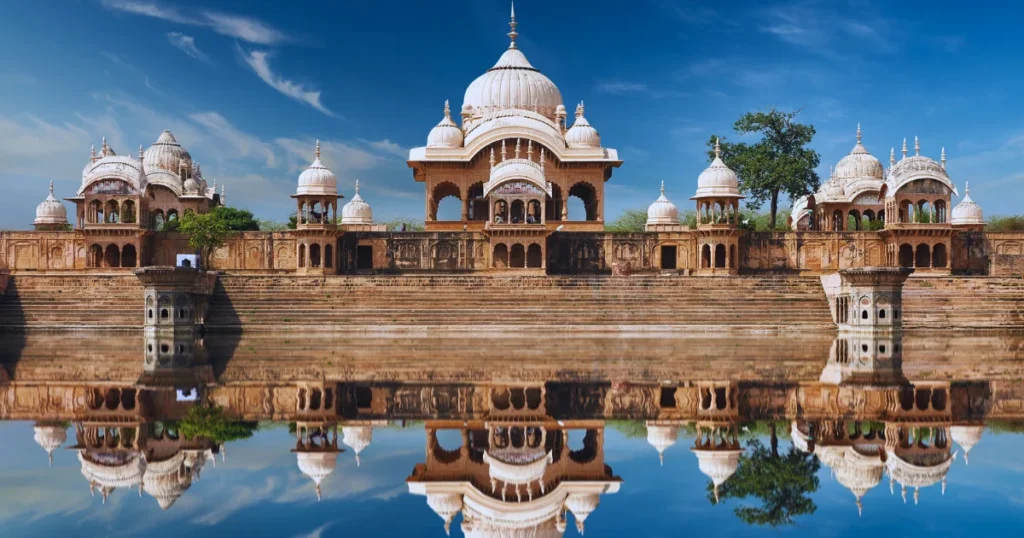
● 08:30 AM – 10:30 AM: Visit Govardhan Hill and spend peaceful time at Kusum Sarovar, known for its calm setting and historical importance.
● 11:00 AM – 12:00 PM: Proceed to Barsana through the scenic Braj countryside.
● 12:00 PM – 01:30 PM: Explore Radha Rani Temple, experiencing the devotional atmosphere of Shriji Temple.
● 02:00 PM – 03:00 PM: Continue to Nandgaon.
● 03:00 PM – 04:30 PM: Visit Nand Bhavan Temple followed by time at Pan Sarovar, a quiet spot linked with Krishna’s childhood stories.
● 05:00 PM – 06:30 PM: Drive back to Mathura.
● Night: Overnight stay at the hotel in Mathura.
● 08:30 AM – 09:30 AM: Drive to Vrindavan and arrive in the sacred town by late morning.
● 09:45 AM – 11:00 AM: Visit Banke Bihari Temple for darshan. (Temple follows fixed darshan slots, so timing may vary slightly.)
● 11:30 AM – 12:30 PM: Explore the serene ISKCON Temple, known for its peaceful atmosphere and devotional chanting.
● 01:00 PM – 02:00 PM: Lunch break and short rest.
● 02:30 PM – 03:15 PM: Visit Radha Raman Temple, one of the most revered and traditional temples in Vrindavan.
● 03:30 PM – 04:30 PM: Visit Prem Mandir and spend time walking through its beautifully carved surroundings.
● 06:30 PM – 07:15 PM: Enjoy the evening Yamuna Aarti, a calm and devotional experience by the river.
● 07:30 PM – 08:30 PM: Continue sightseeing in Vrindavan, exploring nearby temples and ghats at a relaxed pace.
● Night: Return to the hotel for an overnight stay in Vrindavan.
● 08:00 AM – 10:00 AM: Drive to Agra, enjoying a relaxed morning journey.
● 10:00 AM – 12:00 PM: Visit the world-famous Taj Mahal, taking time to walk around the marble complex and understand its history.
● 12:15 PM – 02:00 PM: Explore Agra Fort, the former residence of the Mughal emperors and a UNESCO World Heritage Site.
● 02:00 PM – 03:00 PM: Lunch break at a local restaurant in Agra.
● 04:00 PM – 05:30 PM: Visit Mehtab Bagh for a peaceful sunset view of the Taj Mahal from across the Yamuna River.
● Evening: Departure from Agra to Delhi / Agra / Mathura, as per onward travel plan.
What’s Included
- Pick / Drop to & from your desired location
- Complete Sightseeing by Private Ac Vehicle
- All Inclusive of all Toll Taxes , State Taxes , Parking and Driver Allowance.
- Breakfast & Dinner
- Onsite Guide Available
- Any meal unless specified above.
- Any Air Fare/ Train ticket.
- Personal nature expenses like telephone / laundry bills etc.
- Airports tax and travel insurance etc.
● In Vrindavan, cars don’t really help near the main temples. Narrow lanes and heavy crowds make walking or using e-rickshaws the easiest and often the fastest way to move around. This is how locals and regular visitors travel, and it usually saves time.
● Govardhan parikrama is traditionally done on foot and covers around 21 km. Many devotees choose to walk the full route, but for those who are elderly or not comfortable walking long distances, e-rickshaws are easily available along the parikrama path.
● Local services like e-rickshaws and guides are not part of the tour cost. These are optional and can be hired directly on the spot, depending on personal comfort and need.
● Early hotel check-in depends entirely on room availability at the time of arrival. If rooms are still occupied, a short waiting period may be required until the regular check-in time.
● Temple timings and crowd levels are never fully predictable, especially on weekends, holidays, or festival days. Some waiting at popular temples is normal and should be expected as part of the experience.
- Duration: 2 Days
Inclusion:
Meals
Transfer
Hotel
Sightseeing
5 Days Mathura Vrindavan Tour Delhi/Agra – A Journey Meant to Be Taken Slowly
A 5 Days Mathura Vrindavan Tour Delhi/Agra does not really work when treated like a checklist. This part of Braj asks for a different pace. Days begin early, but they should not feel rushed. Some hours pass quietly, and that is usually when these places make the most sense. You start noticing things that are easy to miss otherwise.
Day 1: Mathura & Gokul
The journey usually starts in Mathura. It is a busy town, but the idea of Krishna’s birth still sits very close to everyday life. At Shri Krishna Janmabhoomi, people often come with a fixed plan, but most end up slowing down on their own. Even with crowds around, there is a feeling that asks you to pause.
Later, moving towards Gokul feels like stepping into a softer space. Gokul is not loud. Small temples, Brahmand Ghat, and quiet lanes carry stories without trying to explain them. It is the kind of place where walking slowly feels natural. As a first day, it settles you into the journey without tiring you out.
Day 2: Govardhan, Barsana, and Nandgaon
The second day brings more movement, but not pressure. Govardhan is where many travelers realise that this tour is not about completing things. Even a short stretch of the parikrama feels enough when done calmly.
From there, the road to Barsana rises gently. The climb to Radha Rani Temple naturally creates pauses. People stop, look back, sit for a while. No one feels the need to hurry.
By the time you reach Nandgaon, the day has already softened. Nand Bhavan and nearby places feel quieter in the late afternoon, especially when the larger crowds have moved on.
Day 3 & 4: Vrindavan
Two days in Vrindavan are important. One day rarely feels enough. These days are not really about covering temples. They are about noticing how devotion fits into daily routines. Morning darshans, unplanned walks through lanes, hearing “Radhe Radhe” spoken casually, and sitting near the Yamuna as the evening light fades. Vrindavan opens slowly, but only if you allow it to.
Day 5: Agra
The last day moves away from Braj towards Agra. After days of temple towns, the Taj Mahal feels quieter than expected, especially in the morning. Agra Fort adds weight to the end of the journey, bringing it to a steady close before departure.
Conclusion
This route does not ask you to do more. It asks you to slow down. When planned with realistic pacing and space to pause, the journey feels complete without effort. If logistics are handled quietly in the background, as with Vrindavan Mathura Tour Package, it becomes easier to stay present and let the experience unfold in its own time.