



People rarely ask this question before planning the trip.
They ask it after they’ve already looked at the map, counted the kilometres, and told themselves, “It’s all nearby. We can manage.”
Agra. Mathura. Vrindavan.
Three famous places. One straight-looking route. One tight schedule.
But once the trip begins, a different reality sets in. Long days. Early mornings. Crowds that don’t move the way you expect them to. Waiting times that quietly stretch. And by the time you sit down at night, your body is tired in a way distance alone cannot explain.
So when someone asks how tiring an Agra Mathura Vrindavan trip is if done in a short time, the honest answer is not a simple yes or no. It depends on how the trip is paced, what is packed into each day, and how much rest is silently sacrificed along the way.
This blog explains that reality clearly, using real travel flow, temple timings, and lived experience—without pretending the journey is easier than it actually is.
First, Understand the Nature of Agra, Mathura, and Vrindavan
These three places are often grouped together, but they behave very differently.
Agra feels structured and tourist-driven. Movement is controlled by entry timings, security checks, and crowd management.
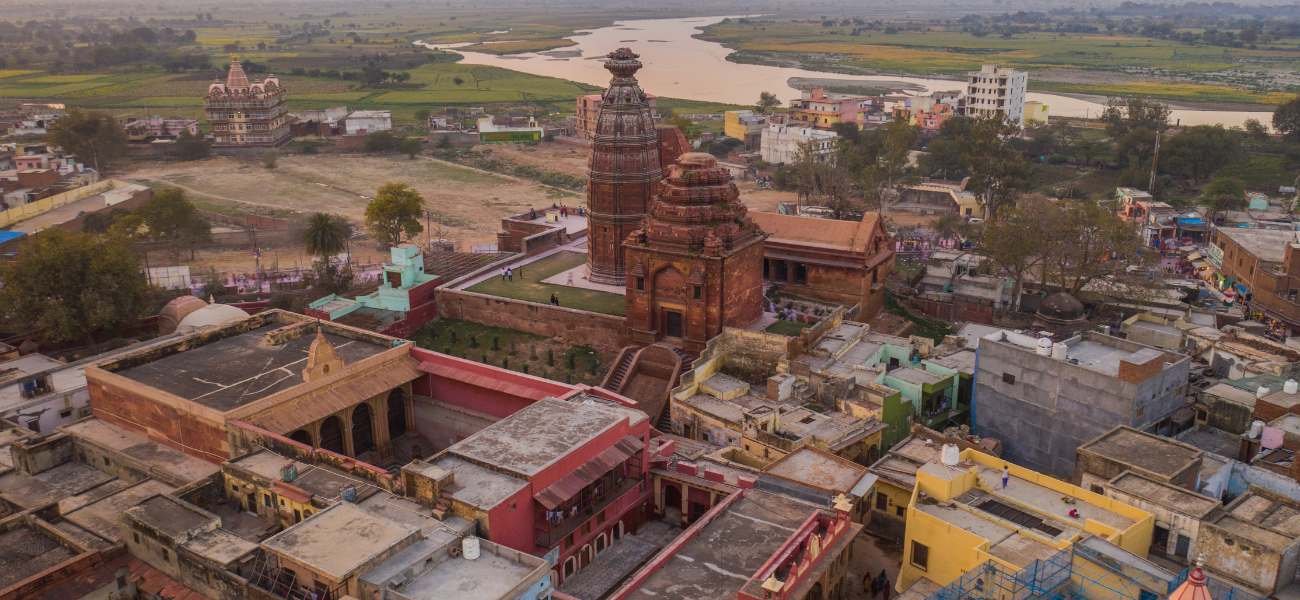
Mathura feels historical and grounded. Temples are spread out, and darshan follows daily rhythms.
Vrindavan feels emotionally dense. Narrow lanes, unpredictable crowds, and short darshan windows shape the experience.
In an Agra Mathura Vrindavan sightseeing tour, tiredness doesn’t come from travelling far. It comes from switching between these three very different energies without enough pause.
Why Short-Time Trips Feel More Exhausting Than Expected
On paper, the distances look manageable.
- Delhi to Agra
- Agra to Mathura
- Mathura to Vrindavan
But short-time trips usually ignore three realities:
- Crowd movement slows everything
- Temple darshan timings create forced waiting
- Mental fatigue sets in before physical exhaustion
People often plan an Agra Mathura Vrindavan tour itinerary assuming smooth transitions. In reality, every transition carries friction.
Same-Day or Two-Day Trips – Where Fatigue Begins
Many travellers try to cover all three places in one or two days. This is where tiredness spikes sharply.
Same Day: Agra, Mathura, and Vrindavan
This option is technically possible, but physically demanding.
A typical same-day flow looks like:
- Early morning visit to Taj Mahal
- Late morning drive to Mathura
- Afternoon temple visits
- Evening shift to Vrindavan
What actually happens:
- Long waiting at Taj security and entry
- Afternoon temple closures in Mathura
- Evening crowds in Vrindavan
By night, the body feels alert but drained. Darshan happens, but the mind is too tired to absorb much.
Two Days: Slightly Better, Still Heavy
A two-day Agra Mathura Vrindavan pilgrimage trip usually splits the journey like this:
- Day one: Agra
- Day two: Mathura and Vrindavan
This reduces pressure, but does not remove fatigue completely.
Why?
- Agra itself is walking-intensive
- Mathura and Vrindavan require patience, not speed
- Darshan timings create gaps that feel like delays
Two days often feel “complete” on paper but rushed in memory.
Agra – How It Contributes to Tiredness
Agra looks simple. One monument dominates the plan.
Main Places in Agra
- Taj Mahal
Opening: Sunrise
Closing: Sunset
Closed: Friday
Early morning visits reduce crowd pressure, but involve very early starts.
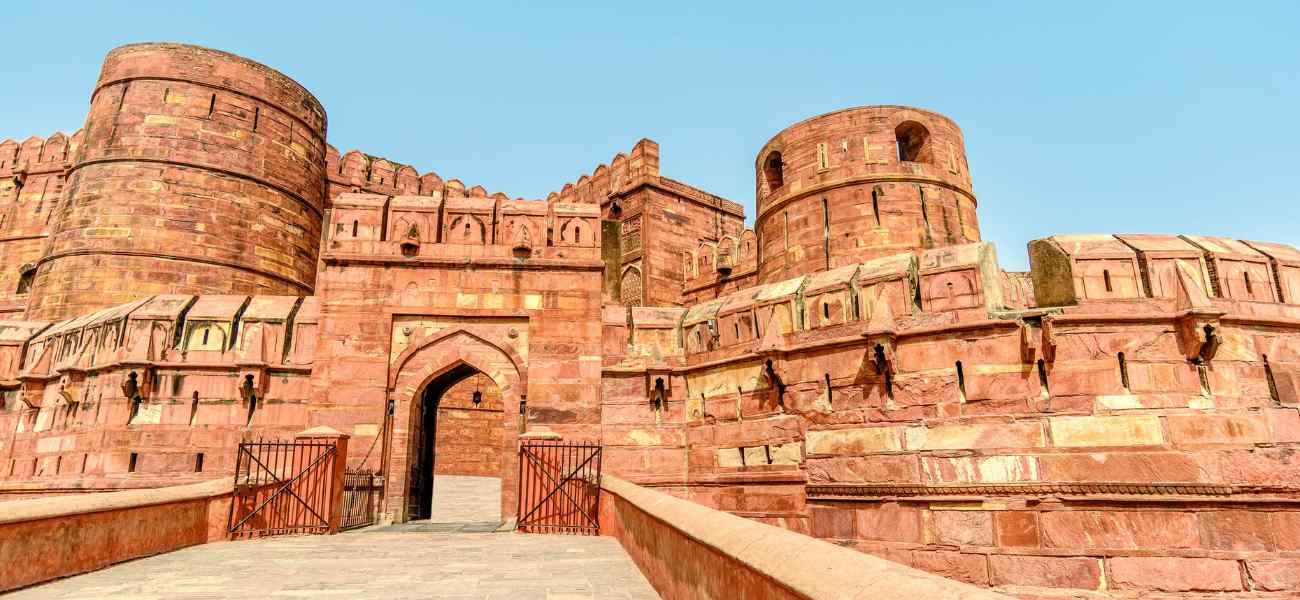
- Agra Fort
Opening: Around 6:00 AM
Closing: Around 6:00 PM
Both places require walking, standing, and waiting. Even before leaving Agra, physical energy is already partly spent.
Mathura – Where Rhythm Matters More Than Distance
Mathura is not tiring because it is large. It is tiring because its temples follow strict rhythms.
Major Temples in Mathura and Darshan Pattern
- Shri Krishna Janmabhoomi
Morning darshan till late morning
Afternoon closure
Evening darshan resumes
- Dwarkadhish Temple
Morning darshan before noon
Evening aarti draws heavy crowds
Arriving at the wrong time means waiting. Waiting turns into fatigue, especially after a long day in Agra.
Vrindavan – Emotional Intensity Adds to Exhaustion
Vrindavan does not tire the legs as much as it tires the senses.
Major Temples in Vrindavan and Darshan Flow
- Banke Bihari Temple
Short darshan windows
Afternoon closure
Evening crowds at peak intensity
- ISKCON Temple
Structured timings
Calmer atmosphere
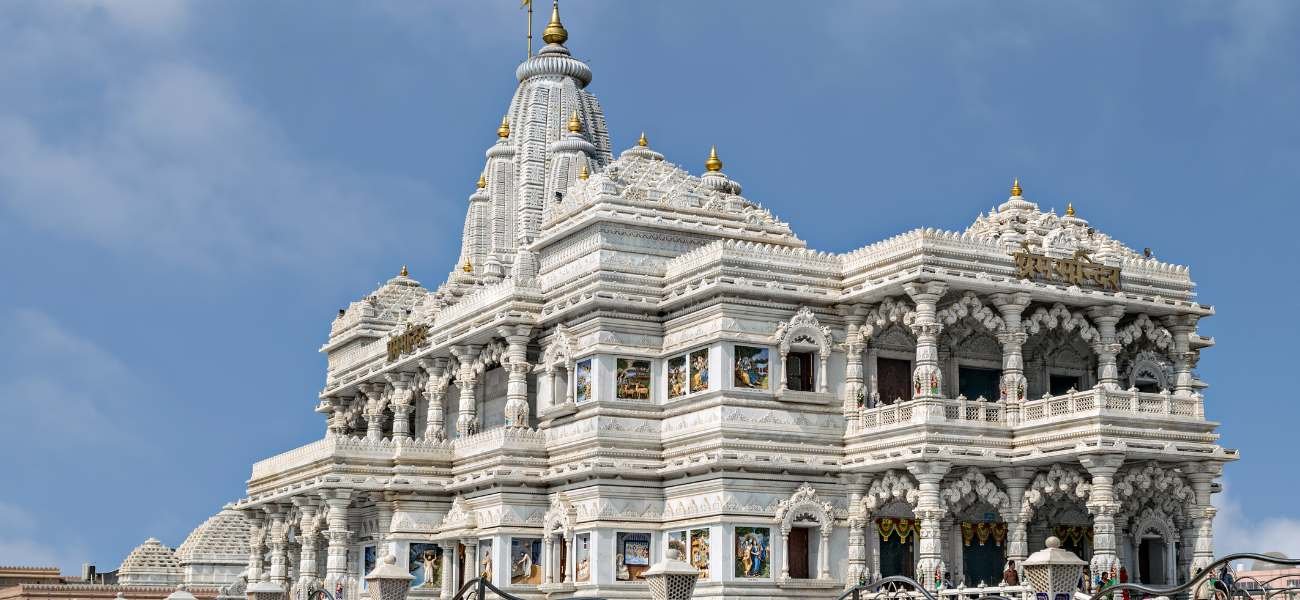
- Prem Mandir
Best visited in the evening
Long walking paths
The emotional pull of Vrindavan is strong. But experiencing it when already tired reduces its impact.
Temple Darshan Timetable – The Silent Cause of Fatigue
Across Mathura and Vrindavan, temple timings usually follow this pattern:
- Early morning darshan
- Afternoon closure
- Evening darshan and aarti
Short trips clash with this rhythm. People rush between temples only to discover they’ve arrived during closure hours. That waiting time doesn’t look tiring—but it adds up.
Best Time to Visit and Its Impact on Energy
October to March
- Pleasant weather
- Heavy crowds
- Moderate physical comfort
April to June
- Extreme heat
- Energy drains faster
- Short trips feel harsher
Festival Periods
- Janmashtami, Holi
- Severe crowd pressure
- Waiting times multiply
A short Agra Mathura Vrindavan trip during festivals is significantly more exhausting.
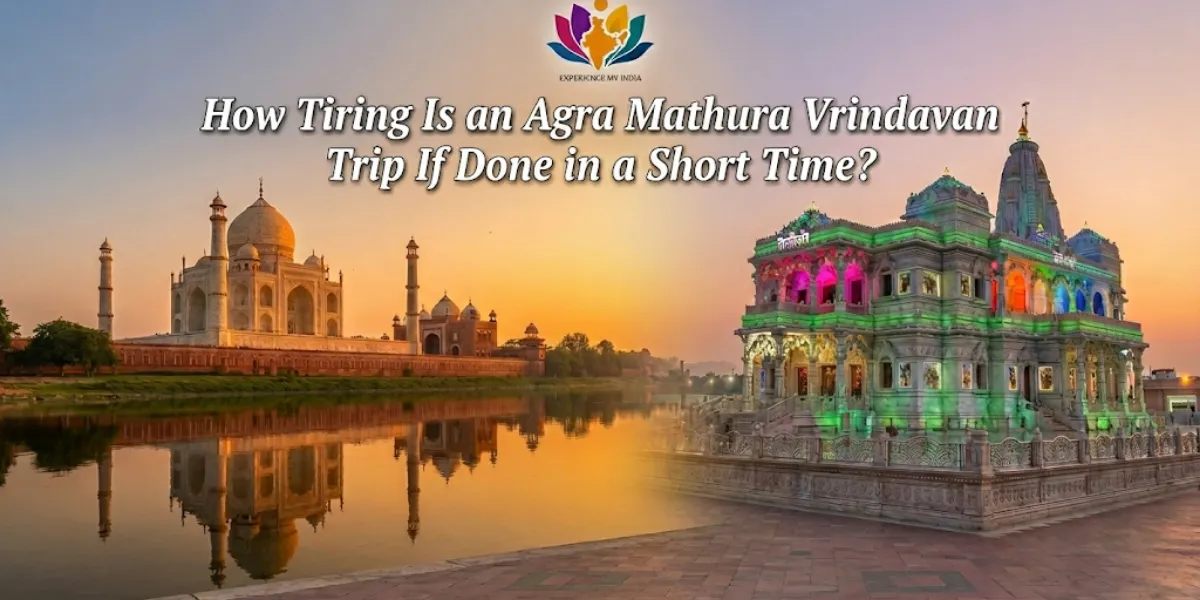
Places to See and How They Add to Fatigue
Trying to add too many places increases tiredness more than distance.
Agra:
- Fatehpur Sikri adds half a day
Mathura:
- Gokul and Raman Reti are manageable
Vrindavan:
- Govardhan adds physical strain
Short trips work better when fewer places are chosen intentionally.
Things to Do That Reduce Fatigue (Often Ignored)
Not everything needs movement.
- Sitting quietly at Vishram Ghat
- Early morning temple visits instead of evenings
- Skipping one temple to rest
These decisions reduce exhaustion more than any shortcut route.
How to Reach and How It Affects Energy
Car or Taxi
- Flexible
- Long hours cause fatigue if rushed
Train
- Less physically tiring
- Fixed schedules
Bus
- Budget-friendly
- Most exhausting option
Air
- Not practical for internal movement
Choosing comfort over speed helps short trips feel less draining.
So, How Tiring Is an Agra Mathura Vrindavan Trip in a Short Time?
Here is the honest assessment:
- Very tiring if done in one day
- Moderately tiring if done in two days
- Manageable with three days
- Comfortable with four days or more
The tiredness doesn’t come from distance.
It comes from compressing too many emotions, movements, and expectations into too little time.
Quiet, experience-based planning from Vrindavan Mathura Tour Package often helps travellers space the journey realistically rather than forcing everything into a short window.
FAQs – Agra Mathura Vrindavan Trip
Q1. Is a same-day Agra Mathura Vrindavan trip advisable?
Only if expectations are minimal and stamina is high.
Q2. How many days reduce fatigue the most?
Three to four days offer better balance.
Q3. Which city feels the most tiring?
Vrindavan, due to crowds and emotional intensity.
Q4. Do temple timings increase exhaustion?
Yes, waiting during closures adds silent fatigue.
Q5. Is this trip suitable for senior citizens?
Yes, but only with relaxed pacing.
Q6. Does starting early reduce tiredness?
It helps with crowds but increases physical strain later.
Q7. Is walking unavoidable in Agra?
Yes, especially at major monuments.
Q8. Are festivals a bad time for short trips?
Yes, they significantly increase exhaustion.
Q9. Can skipping a place help?
Yes, fewer stops often improve the experience.
Q10. What makes the trip feel less tiring?
Realistic planning, rest breaks, and fewer expectations.
An Agra Mathura Vrindavan trip done quickly tests more than your legs.
It tests your patience, your attention, and your willingness to let some things wait.
And often, the journey becomes lighter the moment you stop trying to fit everything into too little time.