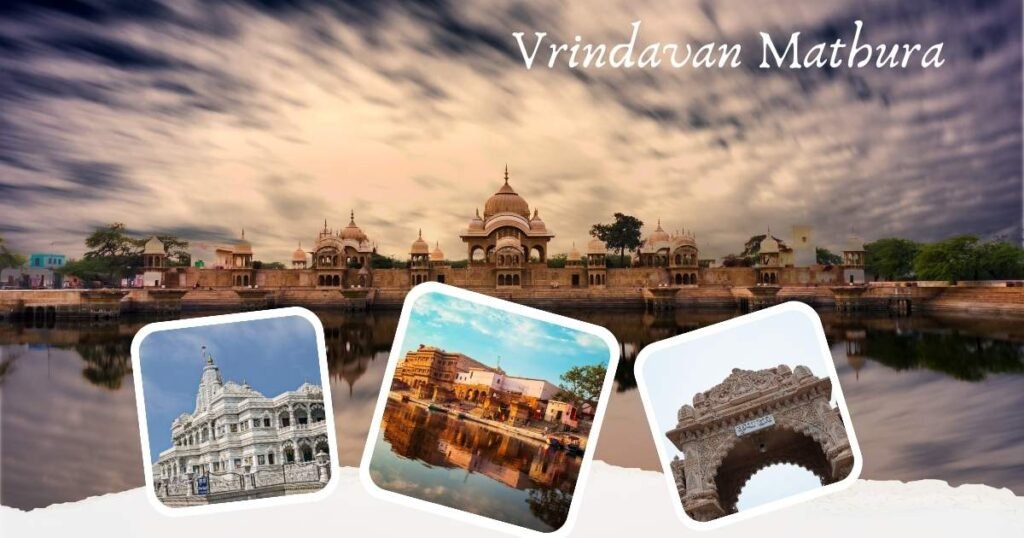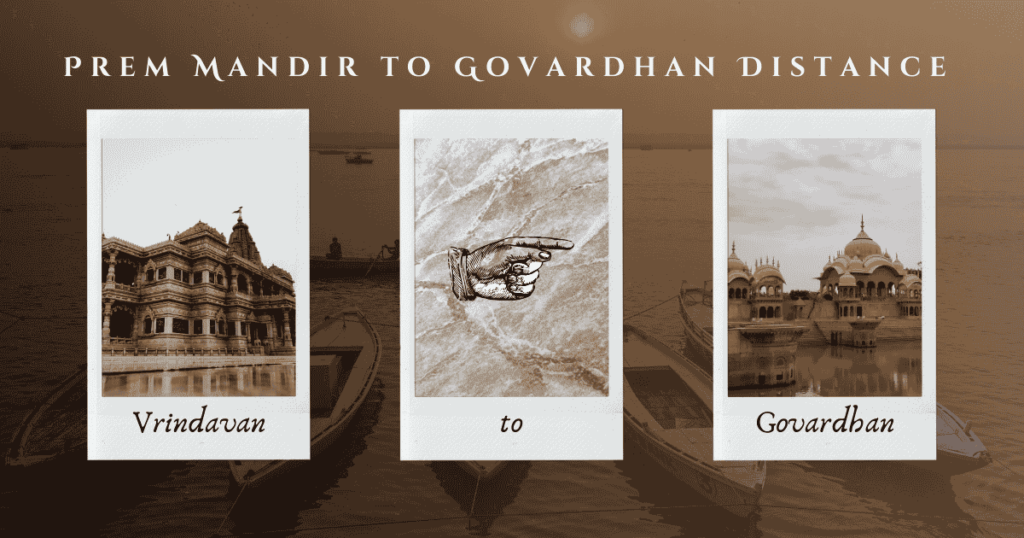



The question usually comes quietly.
Not while scrolling endlessly. Not during loud planning discussions. It comes when someone pauses and looks at the route map a little longer than needed.
Vrindavan or Mathura. Which first.
On paper, they are close. Barely a short drive apart. But anyone who has spent real time here knows that this question is not about distance. It is about how you want to arrive emotionally.
This Vrindavan Mathura travel guide is written slowly, because these places ask for that. Not to convince you of an order, but to help you notice the difference that usually gets missed.
About Mathura – Where the Story Grounds You
Mathura does not ease you in. It places you directly inside life.
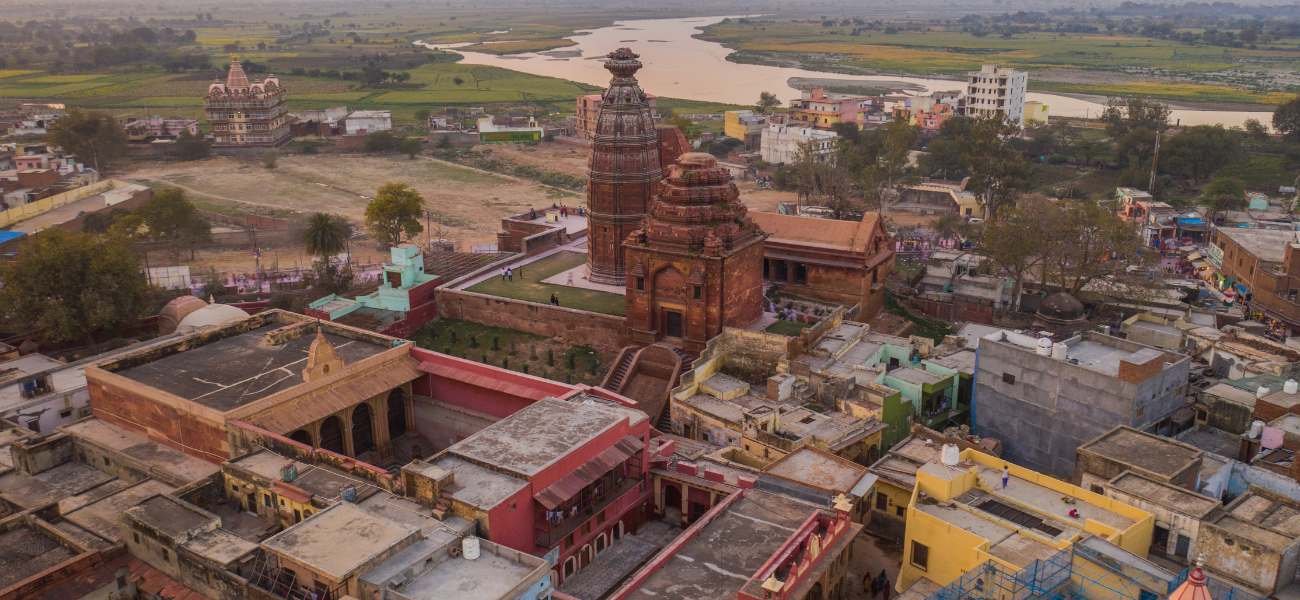
There is traffic, routine noise, vendors calling out, school uniforms moving past temples that have stood there for centuries. The sacred and the ordinary share the same road here. No separation. No ceremony.
Mathura is believed to be the birthplace of Krishna, and that belief quietly anchors everything. People do not dramatize it. They live with it.
If Vrindavan feels emotional, Mathura feels stabilising. Many people who begin their Vrindavan Mathura pilgrimage tour here realise something important later — understanding comes before surrender for them.
Mathura does not soften you. It prepares you.
About Vrindavan – Where the Story Slows Down
Vrindavan feels different the moment you start walking.
The lanes narrow. Your pace changes without effort. Even conversations become softer. You stop checking the time so often. People who arrive with tight schedules often abandon them within a few hours.
Vrindavan is not interested in explaining itself. It allows you to arrive, and then waits.
This is why many travellers prefer visiting Vrindavan after Mathura. Once the mind has context, the heart opens more easily. But some people choose the opposite, and that works too.
There is no correct sequence here. Only honest awareness.
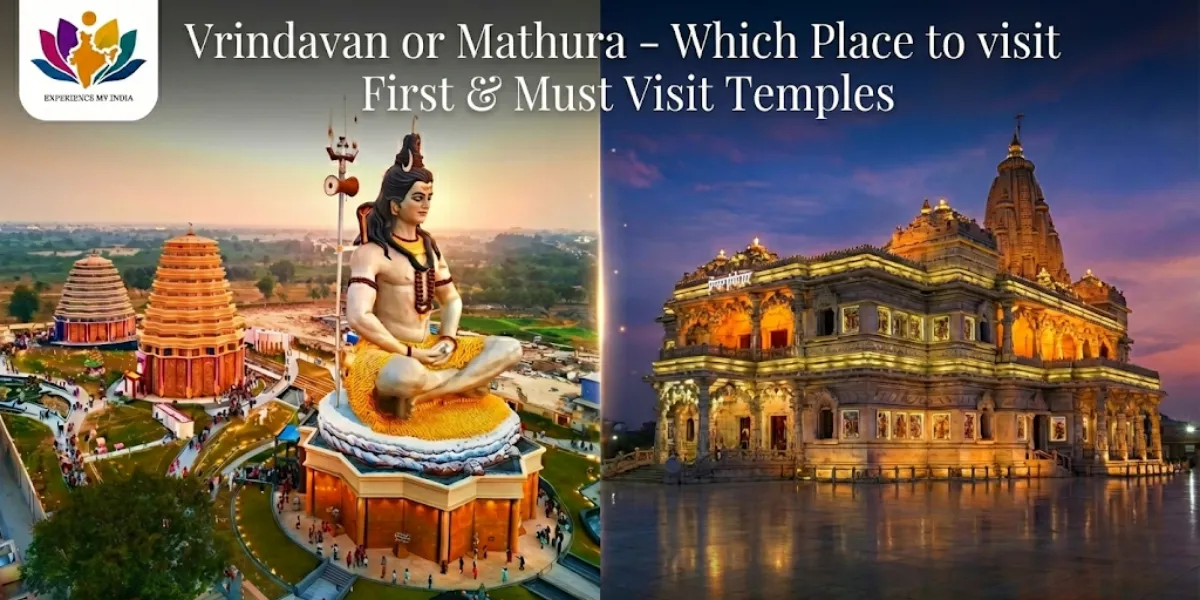
Vrindavan or Mathura – Which Should You Visit First?
If you like understanding before feeling, begin with Mathura.
If you trust feeling before understanding, begin with Vrindavan.
Traditionally, people start in Mathura and move to Vrindavan. Birth first. Leela later. But travel is personal. The order matters less than the attention you bring with you.
This Vrindavan Mathura travel guide exists to help you choose consciously, not correctly.
Temples in Mathura – Where the Foundation Is Set
Shri Krishna Janmabhoomi
Shri Krishna Janmabhoomi is not a place for quick darshan.
Security is tight. Movement is controlled. People speak less than they usually do. Even first-time visitors seem to instinctively lower their voices.
The belief that Krishna was born here changes the way people stand. Waiting feels different.
Darshan Timings
Morning: 5:30 AM to 12:00 PM
Evening: 3:00 PM to 8:30 PM
Aarti timings are fixed and delays usually mean missing them. Planning matters here.
Dwarkadhish Temple
Dwarkadhish Temple carries a different energy.
Here, darshan is active. Bells ring. The crowd moves. On festival days, it becomes intense quickly. Some people feel overwhelmed. Others feel uplifted.
Darshan Timings
Morning: 6:30 AM to 10:00 AM
Evening: 3:30 PM to 6:00 PM
It helps to arrive early and leave expectations outside.
Vishram Ghat
Vishram Ghat is where many people finally sit down.
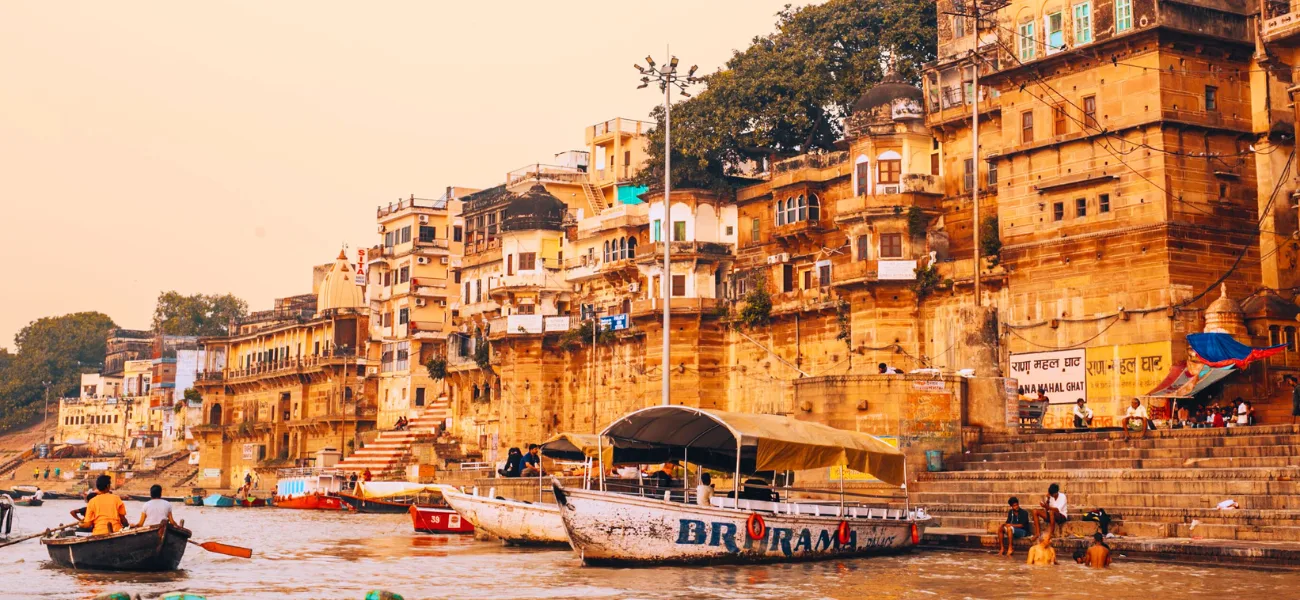
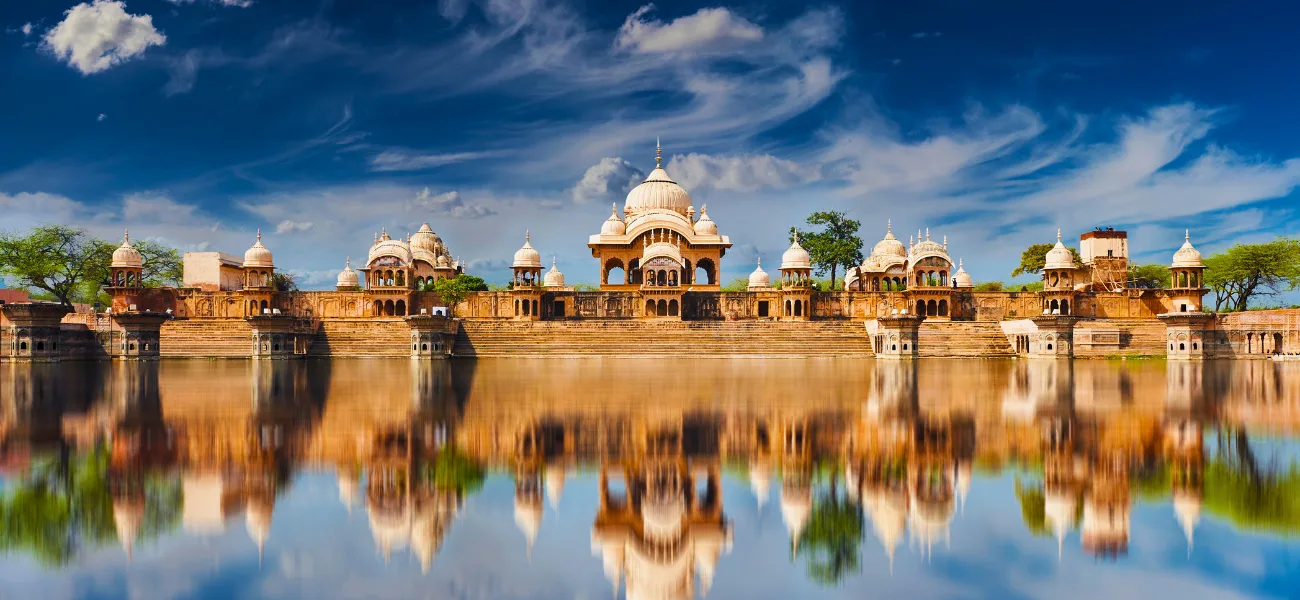
After temple visits, after walking, after thinking too much. Sitting by the Yamuna here often becomes the moment when everything settles. It is not dramatic. It is grounding.
Temples in Vrindavan – Where the Pace Changes
Banke Bihari Temple
Banke Bihari Temple is intense, especially for first-time visitors.
Darshan happens in glimpses. Curtains open and close. The crowd surges forward. It can feel overwhelming if you are not prepared.
Darshan Timings
Morning: 8:45 AM to 1:00 PM
Evening: 4:30 PM to 8:30 PM
Early mornings are gentler.
Radha Raman Temple
Radha Raman Temple does not announce itself.
Darshan Timings
Morning: 8:00 AM to 12:30 PM
Evening: 6:00 PM to 8:00 PM
It sits quietly in old Vrindavan. Darshan feels personal, almost like entering someone’s home. Many visitors say this temple changes their mood without them noticing when it happened.
ISKCON Temple
ISKCON Temple Vrindavan feels structured and spacious.
Darshan Timings
Morning: 4:30 AM to 1:00 PM
Evening: 4:00 PM to 8:15 PM
Bhajans here are inclusive. Even people unfamiliar with rituals feel comfortable. It often becomes a resting point for travellers who feel overwhelmed elsewhere.
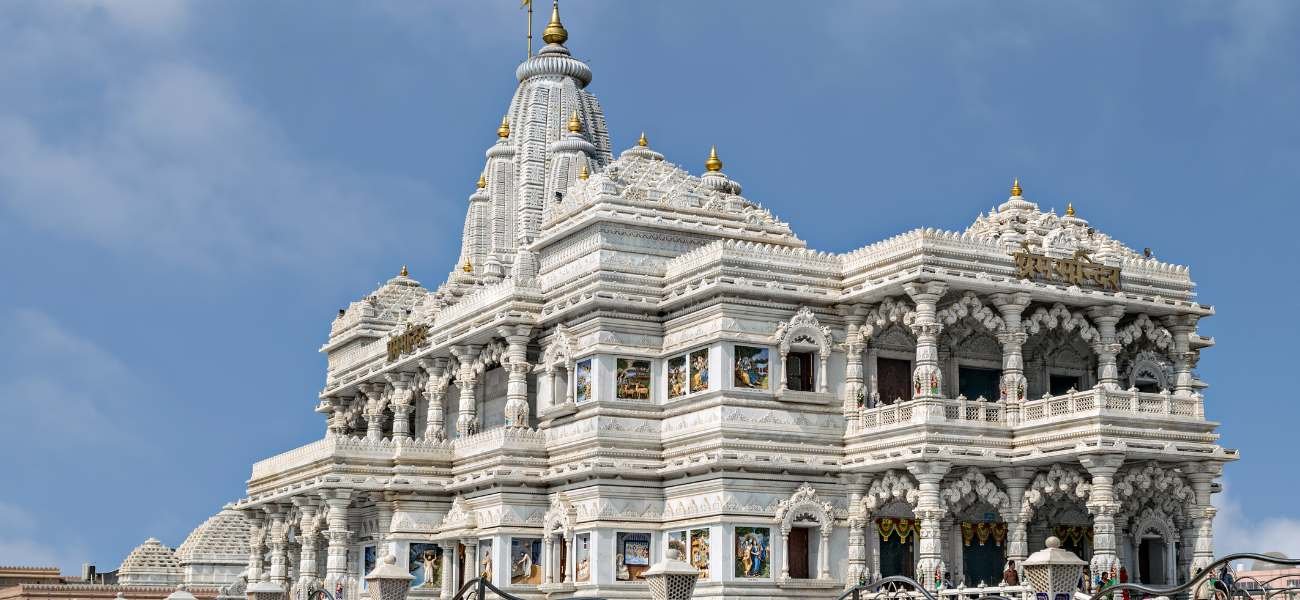
Prem Mandir
Prem Mandir is visual and modern.
Darshan Timings
Morning: 8:30 AM to 12:00 PM
Evening: 4:30 PM to 8:30 PM
Evening lights attract many visitors. Some connect deeply. Others prefer older spaces. Both responses are honest.
Temple Darshan and Aarti Timings – Practical Awareness
In both cities, timings are followed seriously.
Morning darshans are calmer.
Evenings attract more crowds.
Festivals shift schedules slightly.
If your Vrindavan Mathura temple sightseeing feels rushed, it is usually because darshan timings were underestimated.
Best Time to Visit Vrindavan Mathura
October to March offers the most comfortable weather.
Summers can be harsh, especially afternoons. Monsoons bring greenery but also humidity. Winters allow longer walks and slower temple visits.
Regardless of season, early mornings always feel right.
Rituals, Festivals, and Celebrations
Janmashtami
The busiest time of the year. Crowds grow. Darshan becomes brief. But the shared devotion feels powerful and collective.
Holi in Vrindavan
Celebrated with restraint inside temples. It is devotional before it is playful. Patience matters more than participation.
Kartik Month
Many regular pilgrims consider this the best time. Early mornings, lamps, quiet chanting. The pace naturally slows.
These moments define the deeper rhythm of a Vrindavan Mathura pilgrimage tour.
Nearby Places to Visit Without Rushing
Gokul offers a quieter experience.
Govardhan requires walking and patience.
Barsana becomes special during festivals.
These places fit best when added gently, not forced into a tight plan.
How to Reach Vrindavan and Mathura
By Car
From Delhi, about 160 km. Travel time is around 3.5 to 4 hours depending on traffic.
By Train
Mathura Junction is well connected. Vrindavan is approximately 12 km from there. Taxis and autos are easily available.
By Air
The nearest major airport is Delhi. From there, road or train travel is required.
Once inside Vrindavan, walking becomes unavoidable. Accepting this early improves the experience.
Many travellers quietly prefer planning assistance from Vrindavan Mathura Tour Package services to manage temple timings and movement, especially on shorter trips.
FAQs – Vrindavan Mathura Travel Guide
Q1. Should I visit Vrindavan or Mathura first?
Mathura for context, Vrindavan for emotional depth.
Q2. How many days are ideal?
Two days minimum. Three to four days feel balanced.
Q3. Are temples crowded throughout the year?
Weekends and festivals see higher footfall.
Q4. Is Vrindavan suitable for senior citizens?
Yes, especially with morning visits and rest breaks.
Q5. Are temple timings strict?
Yes, especially for aartis.
Q6. Can both cities be covered in one day?
Possible, but not recommended.
Q7. Is walking necessary in Vrindavan?
Yes. Many areas are vehicle-restricted.
Q8. Which temple is usually the most crowded?
Banke Bihari Temple.
Q9. Is photography allowed inside temples?
Usually restricted near sanctums.
Q10. Is guided planning helpful?
Yes, especially during festivals and peak seasons.
Some people visit Mathura and Vrindavan to complete an itinerary.
Others arrive and realise the itinerary was never the purpose.
These places do not ask where you began.
They quietly notice how present you were once you slowed down enough to walk with them.