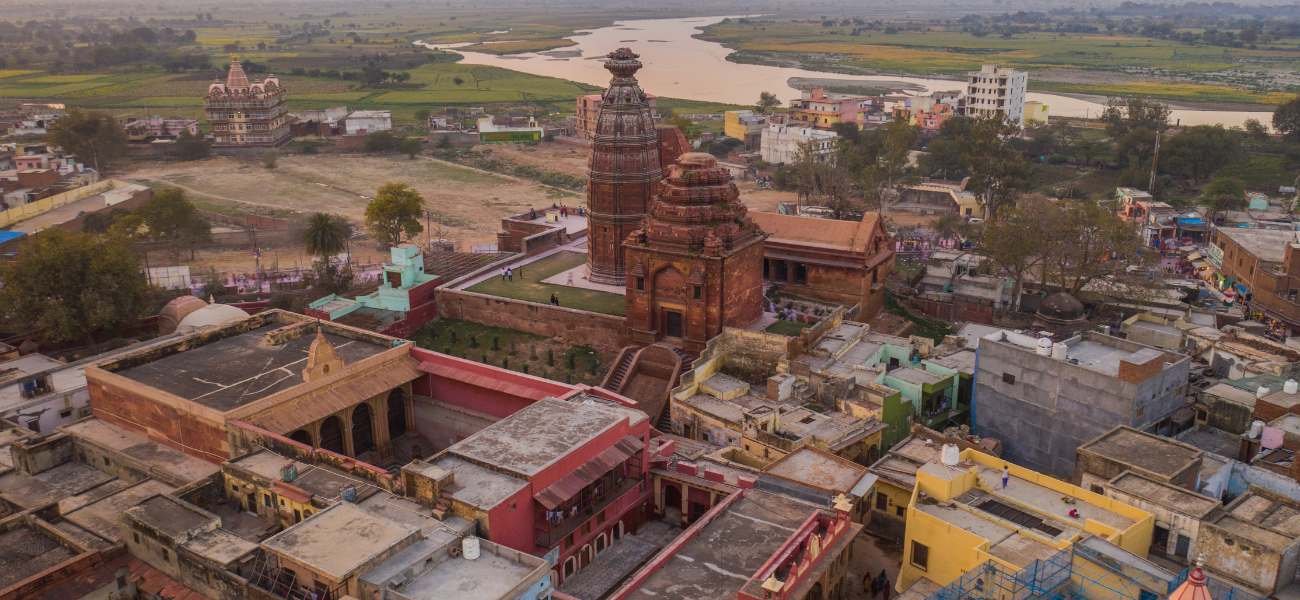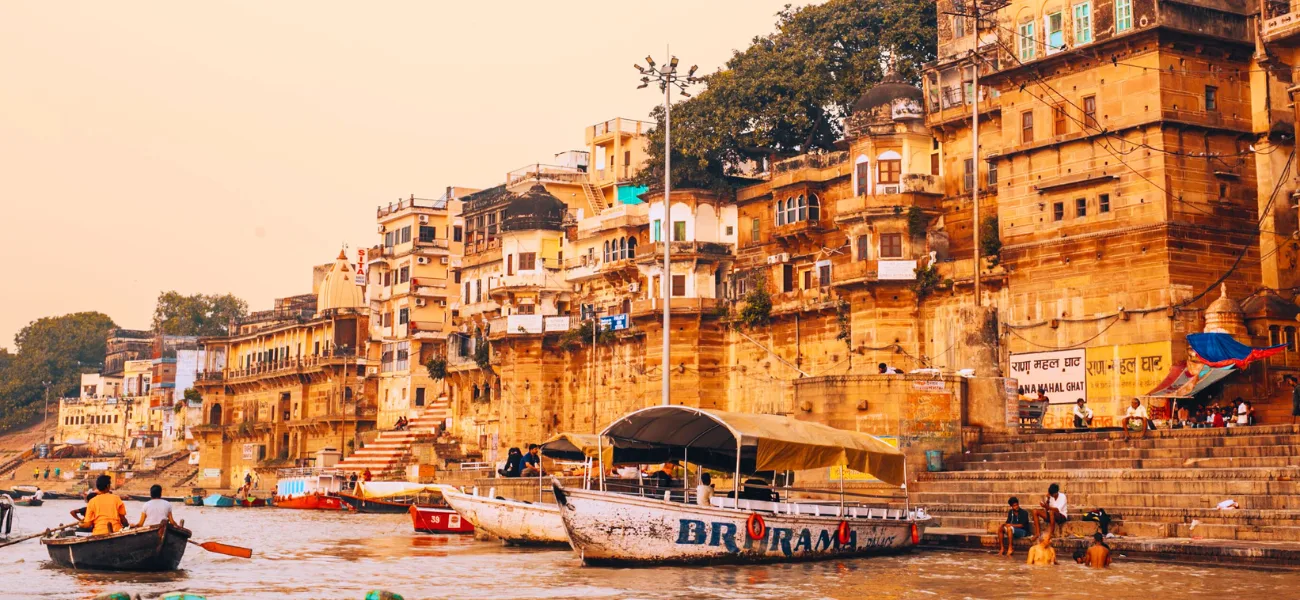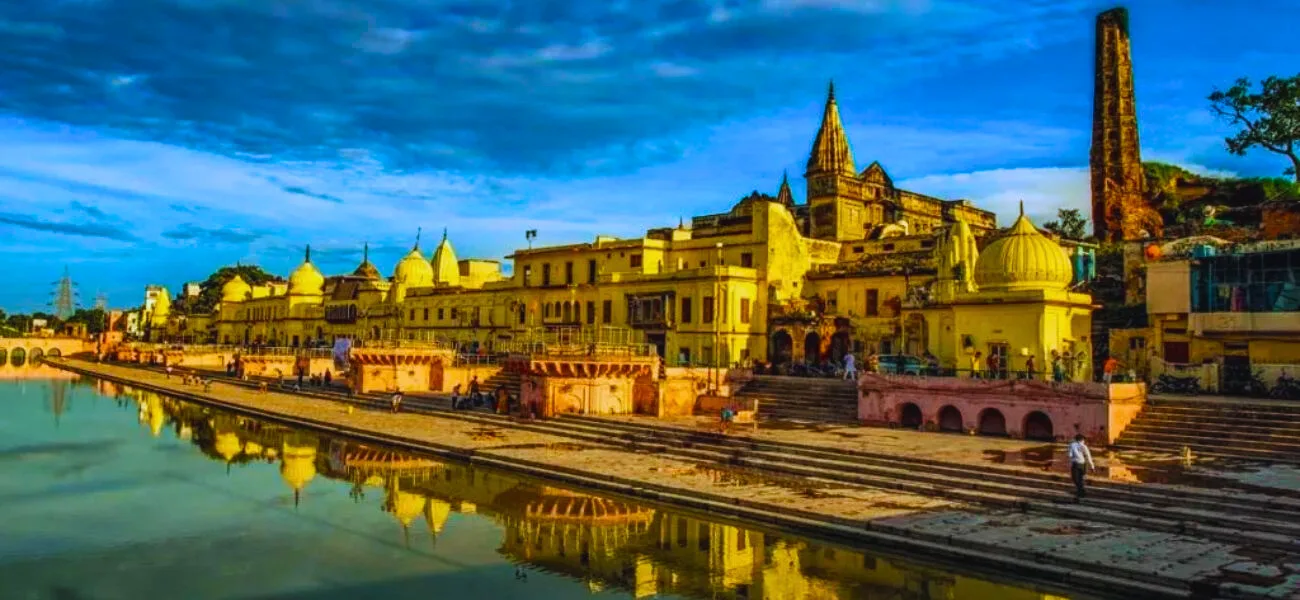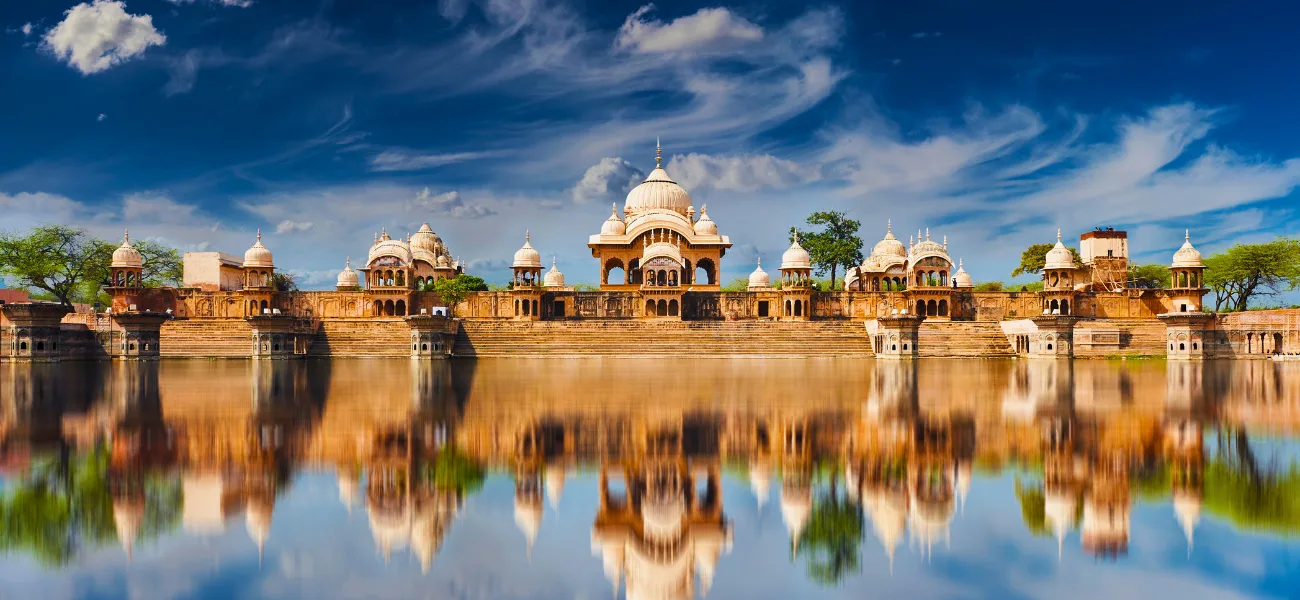
The first thing you notice when you reach Barsana close to Holi is not colour.
It’s sound. Laughter, folk songs drifting through narrow lanes, people calling out to each other from rooftops. There is movement everywhere, but it doesn’t feel rushed. It feels prepared, like the village has been waiting for these days all year.
Barsana Lathmar Holi 2026 is not something you drop into casually. Even before the main day arrives, the place begins to change. Streets are cleaned. Temple timings shift. Locals start talking about which day will be heavier, which lane to avoid, which hour feels safest. You realise quickly that this is not a show. It’s a tradition the village takes seriously.
About Barsana – Where Holi Has a Personality
Barsana is not a large town. You can walk through most of it if you have the energy. But during Holi, every corner seems occupied by memory. This is believed to be Radha’s village, and that belief shapes everything here.
The Lathmar Holi celebration in Barsana 2026 grows out of stories that locals have heard since childhood. Krishna coming from Nandgaon. Radha’s friends responding playfully but firmly. The teasing turning into ritual. Over time, the ritual became tradition, and the tradition became identity.
When Holi arrives, Barsana doesn’t decorate itself. It simply opens its doors wider.
A Bit of History – Why Lathmar Holi Exists
The story behind Lathmar Holi is repeated often, but it still carries weight when you stand there.
Krishna and his friends would visit Barsana to tease Radha and her companions. The women, in response, would chase them away with sticks, while the men tried to shield themselves. What sounds playful now was always symbolic. It was never about violence. It was about balance, affection, and boundaries.
Over generations, this turned into the Lathmar Holi we see today. The sticks are symbolic. The shields are expected. Everyone knows their role.
That understanding keeps the celebration from tipping into chaos.
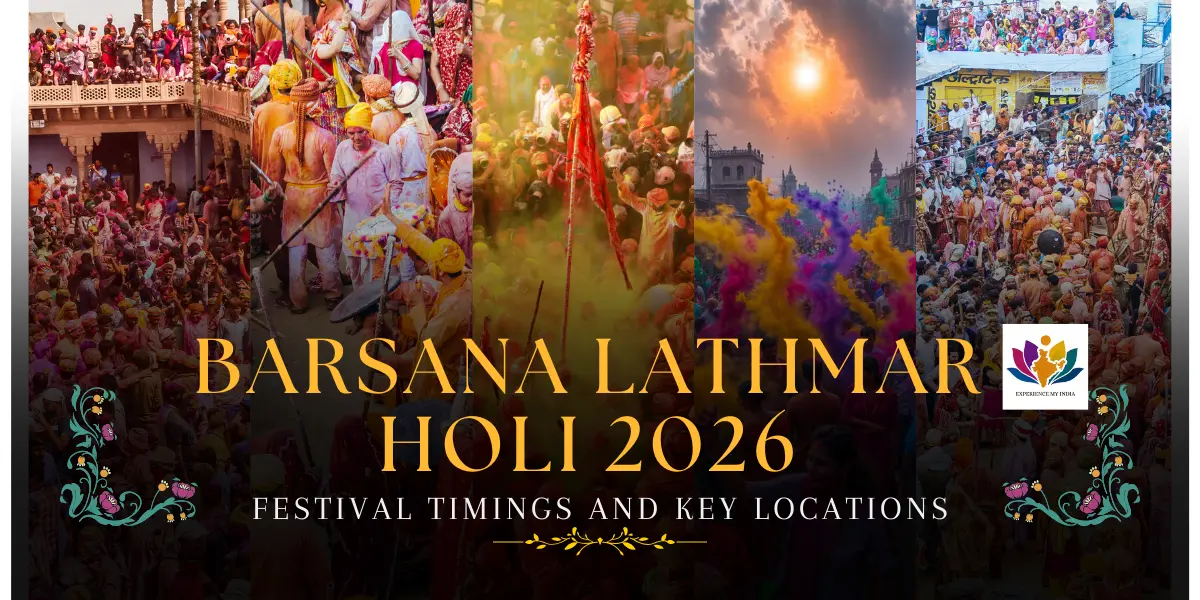
Main Day – Barsana Lathmar Holi Date 2026
Date: 26 February 2026, Thursday
Location: Rangili Gali, Barsana
This is the day most people plan their trip around. By mid-morning, Rangili Gali is packed. Men from Nandgaon arrive in groups. Women of Barsana gather above, on balconies and raised platforms.
The energy is intense. Songs grow louder. Colours appear. Lathis are raised, but in rhythm, not anger. Men protect themselves with shields. The crowd watches closely.
If you are attending Barsana Lathmar Holi 2026, understand this clearly. You are there to witness, not participate. Standing too close does not give a better experience. It only increases risk.
Watching from a slightly removed position lets you see the full picture.
Other Important Holi Days Around Barsana
Barsana Holi does not exist alone. It is part of a larger Braj sequence, and each day adds context.
25 February 2026, Wednesday – Barsana Laddu Holi
Laddu Holi takes place at the Radha Rani Temple, also known as Shri Ladliji Temple. Instead of colour, laddus are thrown towards devotees. It feels lighter, almost playful.
This day is calmer than Lathmar Holi and works well for first-time visitors who want to understand the atmosphere without intensity.
27 February 2026, Friday – Nandgaon Holi
After Barsana, the tradition moves to Nandgaon. Men from Barsana visit Nand Bhawan, and the roles reverse slightly. The mood is friendlier, less aggressive, more welcoming.
This day balances the experience.
28 February 2026, Saturday – Vrindavan Phoolon Wali Holi
At Banke Bihari Temple, Holi is celebrated with flowers. No colour, no water. Just petals falling from above. Rangbhari Ekadashi is also observed the same day.
After Barsana, Vrindavan feels emotional and grounding.
28 February 2026, Saturday – Mathura Holi
Mathura celebrates Holi more openly. Events take place around Shri Krishna Janmabhoomi and across the city. Music, colour, and crowds spread everywhere.
1 March 2026, Sunday – Gokul Holi
Gokul and Raman Reti bring a softer close to the sequence. Families gather. Children play. It feels reflective rather than intense.
3 March 2026, Tuesday – Holika Dahan
Bonfires are lit at Dwarkadhish Temple, Vishram Ghat in Mathura, and Banke Bihari Temple in Vrindavan. This night feels quiet and serious.
4 March 2026, Wednesday – Dhulandi
This is the day of free colour play. Abir, gulal, water. After days of discipline, Braj finally lets go.
Festive Celebration – What It Actually Feels Like
People often imagine Barsana Holi as wild. It isn’t. It is controlled chaos.
Locals guide movement without shouting. Police and volunteers stay visible. Temples manage entry strictly. When you respect boundaries, the celebration feels intense but safe.
Ignoring local cues is what causes trouble.
Best Time to Visit Barsana Holi (Points)
- Early morning is always calmer
- Midday becomes crowded very quickly
- Late afternoon slows down again
- Avoid peak noon hours if visiting with family
- Arriving a day earlier helps adjust
Barsana does not reward late arrivals.
Nearest Places to See Around Barsana (Points)
- Nandgaon, for continuation of Lathmar tradition
- Govardhan, for a quieter spiritual break
- Vrindavan, for temple-based Holi
- Mathura, for broader celebrations
Spacing these visits matters more than covering them all.
Safety Tips – Worth Taking Seriously
Barsana Holi is not dangerous by nature, but it demands awareness.
Wear simple clothes you don’t mind ruining.
Cover your eyes and hair.
Avoid standing directly under balconies.
Follow local instructions even if they seem strict.
If it feels overwhelming, step back.
Knowing when to pause improves the experience.
How to Reach Barsana for Lathmar Holi 2026
By Taxi
The easiest option, especially during Holi. Taxis allow flexible timing and safer parking away from crowded lanes.
By Car
Possible, but parking becomes difficult near Rangili Gali. Expect walking.
By Train
Reach Mathura Junction first. From there, Barsana is around 50 km by road.
By Air
Nearest major airport is Delhi. From Delhi, road travel to Barsana takes around 4 hours depending on traffic.
Planning routes in advance saves energy.
A Quiet Planning Note
Many travellers prefer coordinating their Barsana Lathmar Holi 2026 visit through Vrindavan Mathura Tour Package, especially for timing, local movement, and avoiding wrong entry points. During Holi, small planning mistakes feel big.
FAQs – Barsana Lathmar Holi 2026
Q1. What is the main date for Barsana Lathmar Holi 2026?
26 February 2026, Thursday.
Q2. Where does Lathmar Holi take place?
Rangili Gali, Barsana.
Q3. Is it safe for first-time visitors?
Yes, if you observe rather than participate.
Q4. Can families attend?
Yes, with caution and early arrival.
Q5. Are colours chemical-free?
Mostly natural, but protection helps.
Q6. Is photography allowed?
Yes, but protect your equipment.
Q7. How crowded does it get?
Very crowded during peak hours.
Q8. Can elderly visitors attend?
Possible, but staying on the outskirts is better.
Q9. Should I visit other Braj Holi events too?
Yes, Barsana alone feels incomplete.
Q10. Do I need advance planning?
Strongly recommended.
By the time you leave Barsana, you are usually exhausted. Clothes ruined. Shoes unrecognizable. Plans slightly off.
But there’s also clarity.
You understand why this Holi is not meant to be rushed or recreated elsewhere. It belongs to this place, to these people, and to a rhythm that doesn’t change for anyone.
And once you see it that way, the chaos makes sense.