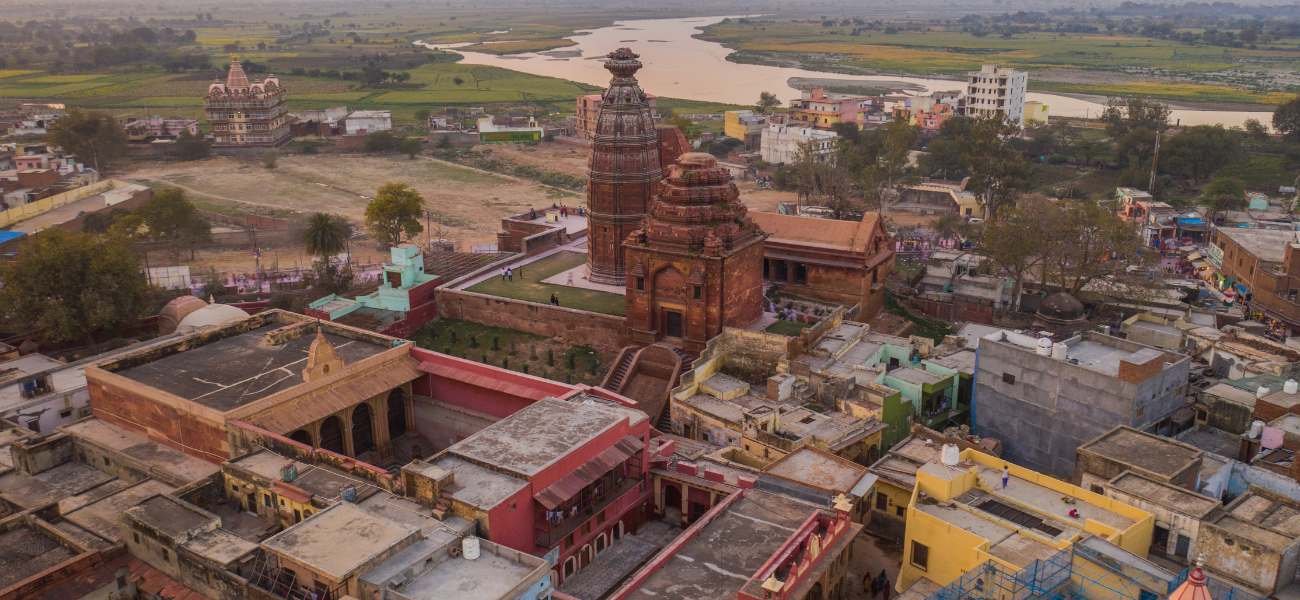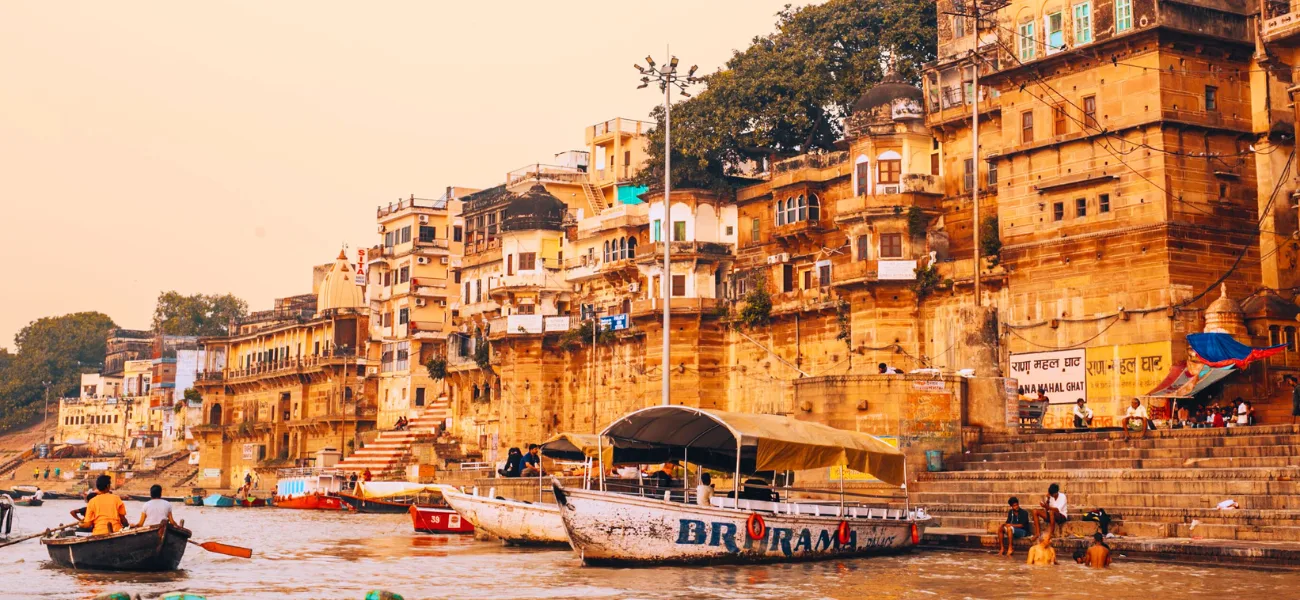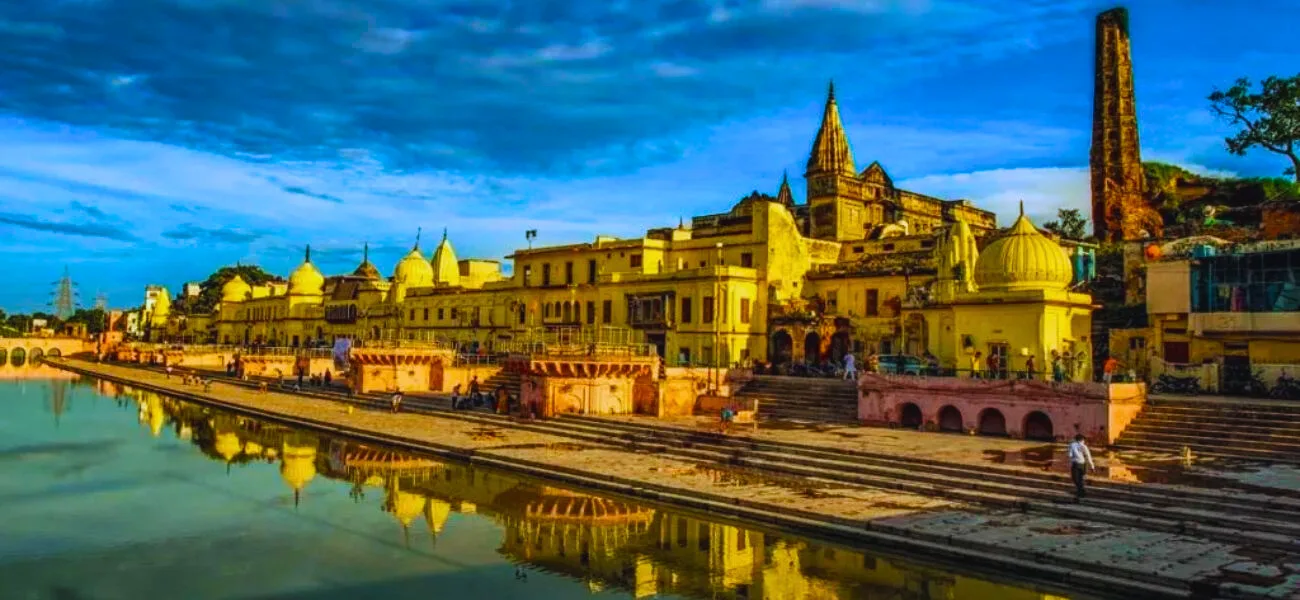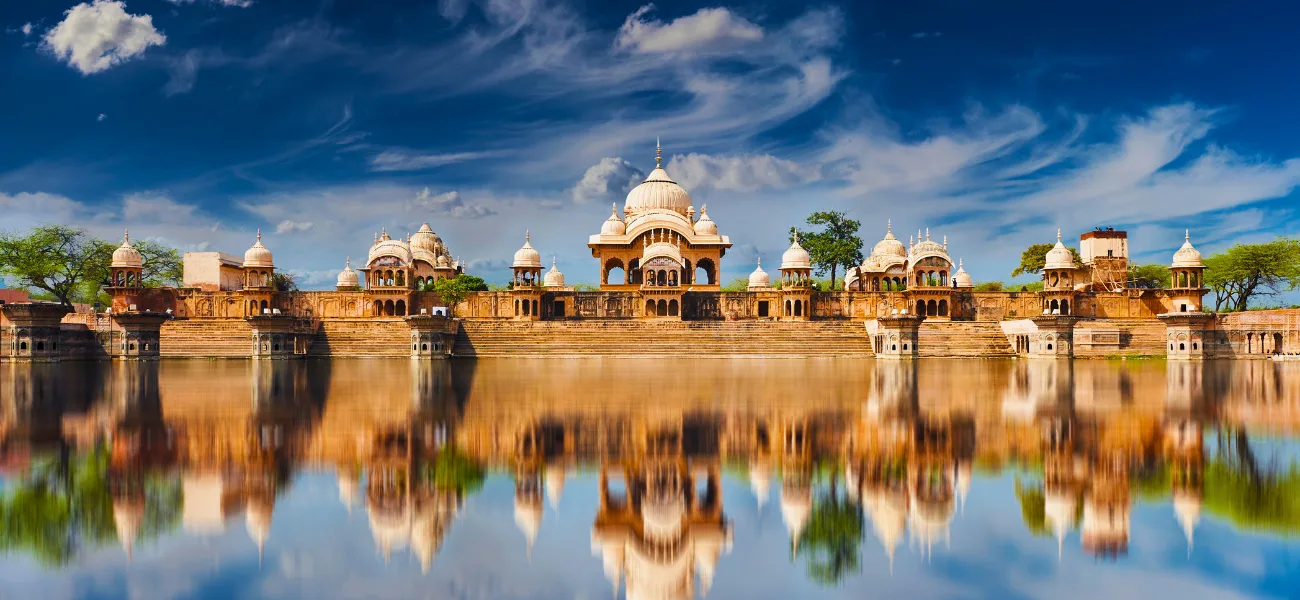

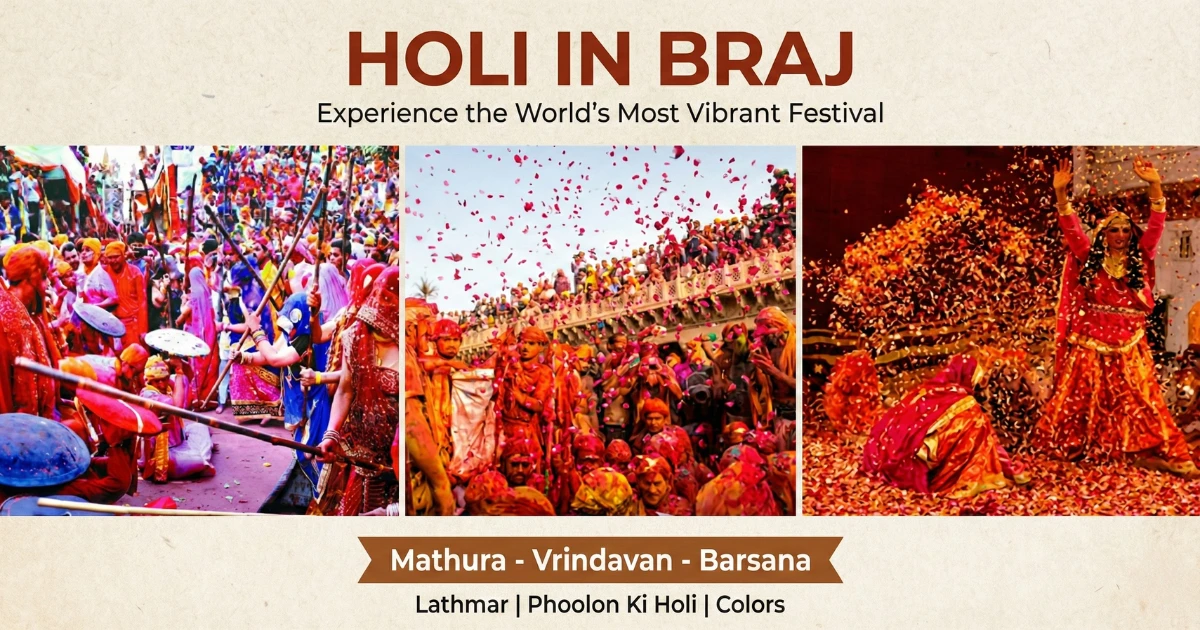
Holi in the Braj region is not just about colour. It is about movement. About time. About how a festival slowly opens itself, village by village, temple by temple, until it finally reaches its fullest form.
In Braj Bhoomi, Holi does not arrive suddenly on one morning. It begins weeks earlier, quietly, with prayers, seasonal rituals, and small signs that only locals notice. Mathura, Vrindavan, Barsana, Nandgaon, Gokul, and Baldev all take part, each in its own way, each on its own day. That is why Holi here feels less like an event and more like a journey you walk through.
This is the land where Krishna lived his leelas. Because of that, Holi in Braj region is guided by temples, village customs, and the Hindu calendar, not by convenience or modern schedules. The rhythm has remained almost unchanged for centuries.
City Holi is loud and fast.
Braj Holi is slow and devotional.
That difference changes everything.
Table of Contents
ToggleWhy Holi in Braj Region Feels Different from Anywhere Else
Holi is celebrated across India, but in Braj it carries a different weight. Here, Holi is not retold through stories alone. It is lived through tradition.
Radha and Krishna are not distant figures here. Their relationship shapes how people celebrate. That is why Holi in Braj region is spread across many days, why each village follows its own custom, and why temples lead the celebrations instead of stages or sound systems.
What makes Braj Holi truly unique:
- It unfolds over many days, not one
- Every village celebrates Holi differently
- Temples guide the rituals and timings
- Saints, widows, locals, and travellers celebrate together
- Even with large crowds, the atmosphere remains devotional
There is no other place in India where Holi feels this rooted and this meaningful.
Holi in Braj Region 2026 – Complete Date List (As Followed Locally)
To experience Holi in Braj region properly, dates matter. Below is the actual sequence followed on the ground in 2026.
- 23 January 2026
Basant Panchami Utsav – Banke Bihari Temple, Vrindavan
This is where the first spiritual sign of Holi appears in Braj. - 24 February 2026
Phag Invitation – Nandgaon
Villages formally invite each other for Holi celebrations. - 24 February 2026
Laddu Holi – Barsana Dham
The first joyful, public celebration dedicated to Radha Rani. - 25 February 2026
Lathmar Holi – Barsana
The most intense and tradition-heavy Holi event in Braj. - 26 February 2026
Lathmar Holi – Nandgaon
The response to Barsana, equally rooted and energetic. - 27 February 2026
Phoolon Wali Holi – Vrindavan
Mathura Janmabhoomi Huranga – Mathura - 1 March 2026
Chhadimar Holi – Gokul - 4 March 2026
Main Rangwali Holi – Mathura and Vrindavan - 5 March 2026
Dauji Huranga – Baldev
Local reality tip:
If you stay in Braj between 25 February and 4 March, you don’t just watch Holi. You move with it.
How Holi Naturally Progresses in Braj Bhoomi
Holi in Braj does not begin with colour. It begins with devotion.
Basant Panchami sets the tone. Temples turn yellow, bhajans begin, and the mood shifts. Phag invitations follow, moving from village to village. Barsana and Nandgaon then bring Lathmar Holi, where tradition becomes physical and visible.
After that, the energy softens. Phoolon Wali Holi in Vrindavan replaces colour with flowers. Gokul and Baldev add village-level celebrations. Finally, Rangwali Holi brings the entire region together.
Understanding this flow is essential. Without it, Holi in Braj region can feel confusing. With it, everything makes sense.
Different Forms of Holi in Braj Region
Lathmar Holi – Barsana and Nandgaon
This form of Holi exists only in Braj. It comes from the story of Krishna visiting Radha’s village and being playfully chased away. Today, women lead the ritual, men accept it with humility, and every movement follows tradition. It is not chaos. It is controlled play.
Crowds are heavy, movement is restricted, and planning is essential.
Phoolon Wali Holi – Vrindavan
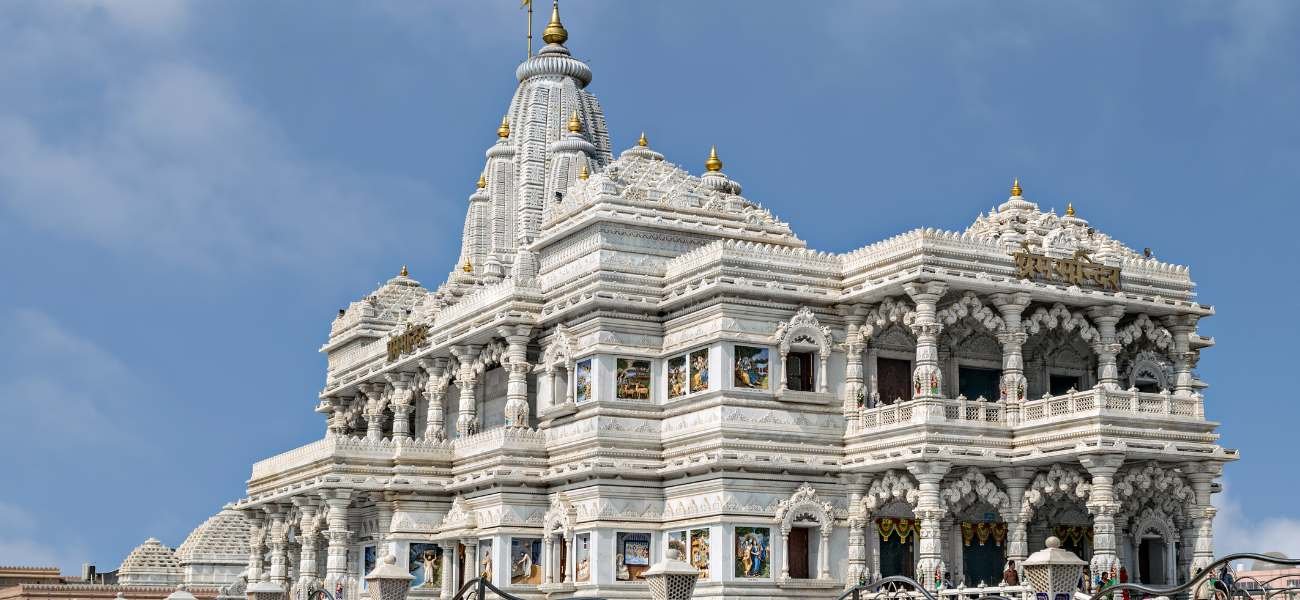
This is one of the calmest forms of Holi in Braj region. Flower petals fall during bhajans inside temples. There is colour, but it feels symbolic. Families and senior travellers often find this day the most peaceful.
Chhadimar Holi – Gokul
Gokul’s Holi feels childlike and warm. It reflects Krishna’s early years. The celebrations are local, less crowded, and quietly joyful.
Dauji Huranga – Baldev
This is a rustic Holi. Less polished, more grounded. The traditions are strong, the energy raw, and the community deeply involved.
Best Places to Experience Holi in Braj Region
- Vrindavan – devotional, temple-based Holi
- Mathura – street celebrations and Yamuna ghats
- Barsana – Lathmar Holi
- Nandgaon – cultural continuation of Lathmar
- Gokul and Baldev – village-level, authentic Holi
Covering all these places requires careful timing and local understanding.
Practical Travel Reality During Holi
- Morning hours (8 AM to noon) are more manageable
- Wear old or white cotton clothes
- Carry a scarf or dupatta
- Avoid self-driving during festival days
- Keep valuables to a minimum
These small decisions make a big difference during Holi in Braj region.
Planning Support Partner – Why Local Experience Matters
Holi is the busiest time in Braj. Hotel availability, temple entry, traffic rules, and even road access change daily. This is where on-ground understanding becomes important.
Many travellers plan their visit with Vrindavan Mathura Tour Package, simply because local timing knowledge and movement planning reduce stress during Holi week. It is not about luxury. It is about practicality during a crowded, tradition-driven festival.
Conclusion
Holi in Braj region is not meant to be rushed. It unfolds slowly, through bhajans, flowers, village rituals, and shared moments. If you come with patience, respect, and the right dates, Braj Holi gives something deeper than colour.
It stays with you quietly, long after the festival ends.
FAQs – Holi in Braj Region 2026
- What makes Holi in the Braj region different from Holi celebrated in other parts of India?
Holi in the Braj region is rooted in living tradition, not modern celebration. Here, Holi follows temple customs, village rituals, and the Hindu Panchang rather than fixed city schedules. Instead of one loud day, it unfolds over many days across Mathura, Vrindavan, Barsana, Nandgaon, Gokul, and Baldev. The focus is on devotion, bhajans, and community participation rather than parties or performances.
- How many days should I plan to properly experience Holi in the Braj region?
To experience Holi in Braj region meaningfully, you should plan at least 7 to 9 days, ideally between 25 February and 4 March 2026. This allows you to attend Lathmar Holi, Phoolon Wali Holi, village Holi events, and the main Rangwali Holi without rushing. Short visits often miss the rhythm and depth of the festival.
- Is Holi in Braj region safe for first-time visitors and international tourists?
Yes, Holi in Braj region is safe when approached with awareness and respect. Crowds can be heavy near temples and during Lathmar Holi, but the atmosphere remains devotional. Morning hours are calmer, and staying close to temple areas helps. Visitors who plan their movement carefully or travel with local guidance usually have a smooth experience.
- Which Holi event in Braj should I not miss if I am visiting for the first time?
If you are visiting for the first time, Phoolon Wali Holi in Vrindavan and Rangwali Holi in Mathura or Vrindavan are the most balanced experiences. Phoolon Wali Holi offers calm, devotional energy, while Rangwali Holi shows the full colour and joy of Braj. Lathmar Holi is powerful but can feel overwhelming without preparation.
- What should I wear during Holi in Mathura and Vrindavan?
Wear old or white cotton clothes that cover your arms and legs. Comfortable walking shoes are important, as you will be on your feet for long hours. Carry a scarf or dupatta to protect your hair and face when needed. Avoid synthetic fabrics, heavy jewellery, or expensive accessories during Holi days.
- Are temple rules strict during Holi celebrations in Braj?
Yes, temple rules are strictly followed, especially in Vrindavan and Mathura. Entry timings may change without notice, photography is often prohibited, and crowd control is taken seriously. Holi here is still a religious observance, so patience and respectful behaviour are essential. Following temple instructions ensures a better experience.
- Can families and senior citizens enjoy Holi in the Braj region?
Absolutely. Certain forms of Holi, such as Phoolon Wali Holi and temple-based celebrations, are especially suitable for families and senior travellers. These events are calmer, well-managed, and spiritually focused. Avoid peak crowd hours and intense village events like Lathmar Holi if mobility is a concern.
- Is it possible to cover Barsana, Nandgaon, Vrindavan, and Mathura during one Holi trip?
Yes, but only with careful planning. Distances are short, but traffic restrictions and crowd movement can slow everything down. Each location celebrates Holi on different days, so timing matters more than distance. Travellers who plan their itinerary around the Holi calendar rather than geography usually have a better experience.
- How early should hotels and transport be booked for Holi 2026?
Hotels and transport for Holi in Braj region should be booked at least 2–3 months in advance. Holi is the busiest season in Mathura and Vrindavan, and availability becomes limited quickly. Last-minute planning often leads to higher costs and inconvenient locations.
- Is it better to plan Holi independently or with local support?
Independent travel is possible, but Holi in Braj is complex due to changing temple timings, crowd control, and village-specific rituals. Many travellers prefer planning support through local operators like Vrindavan Mathura Tour Package, simply to manage logistics and movement smoothly. This allows visitors to focus on the experience rather than daily uncertainties.