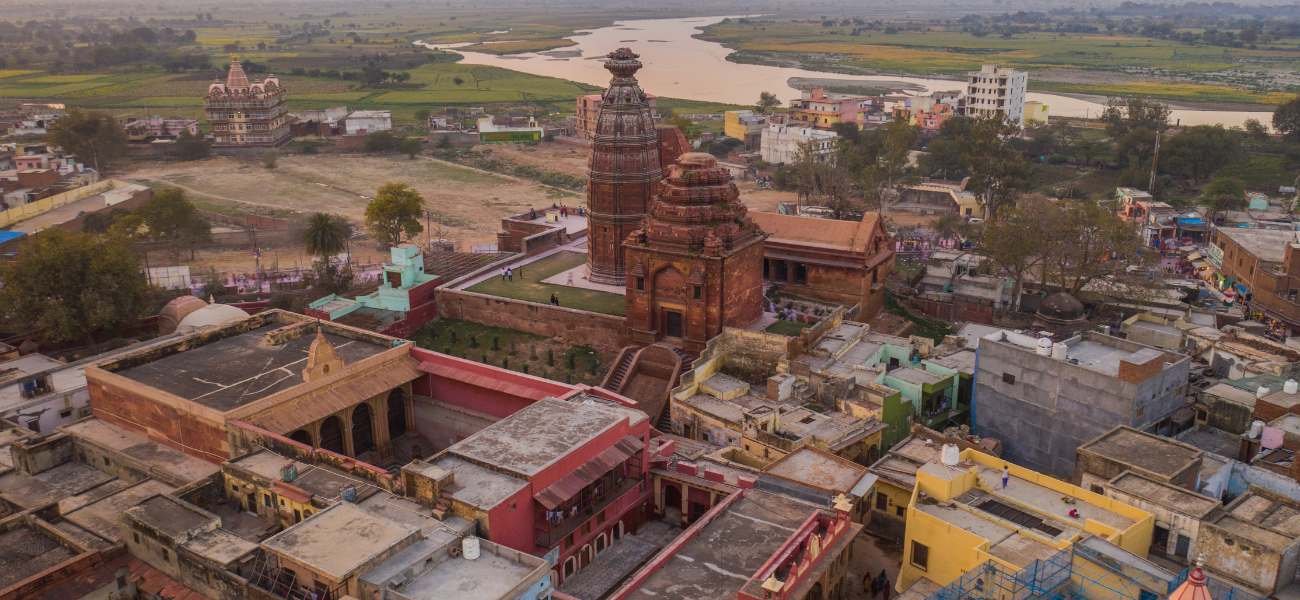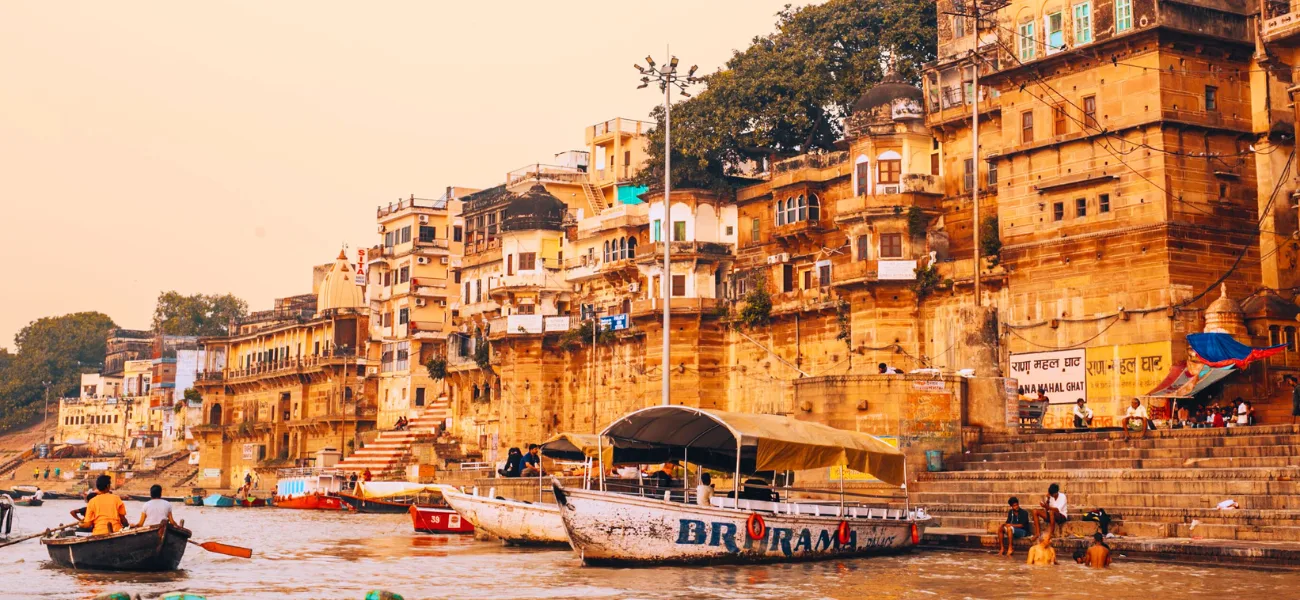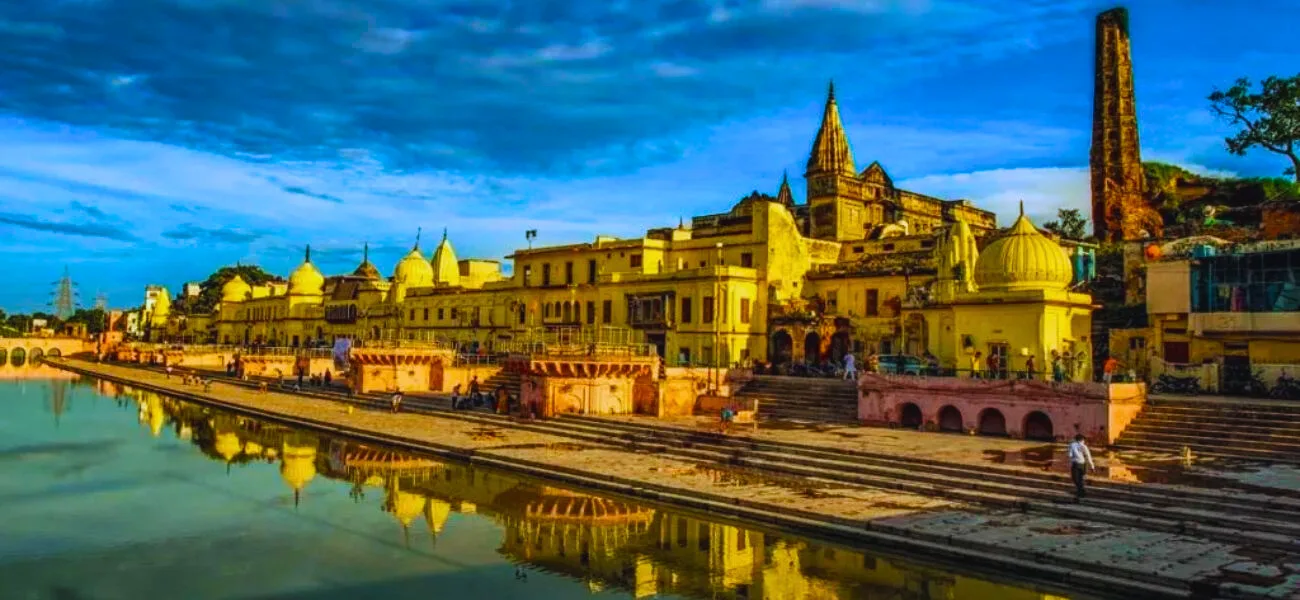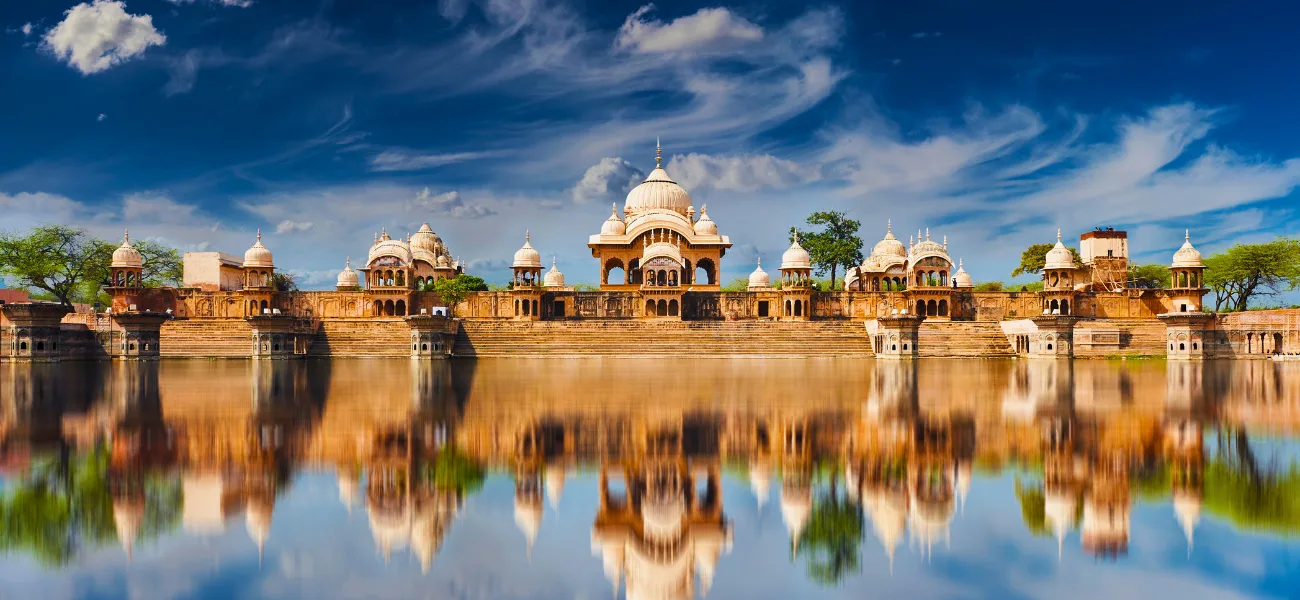

The first colour I noticed in Mathura wasn’t on anyone’s face.
It was on the stone steps near a temple entrance. Faded pink. Washed again and again, but never fully gone. That’s the thing about Holi here. It doesn’t arrive suddenly. It lingers. And when a Holi tour Mathura Vrindavan actually begins, that old colour quietly comes back to life.
Mathura doesn’t advertise Holi. It prepares for it. Shops start keeping white clothes at the front without explaining why. Temple timings shift subtly. Locals begin their days earlier than usual. You realise, quite early on, that Holi here is less about events and more about understanding how the town moves during this season.
Table of Contents
ToggleAbout Holi tour Mathura Vrindavan
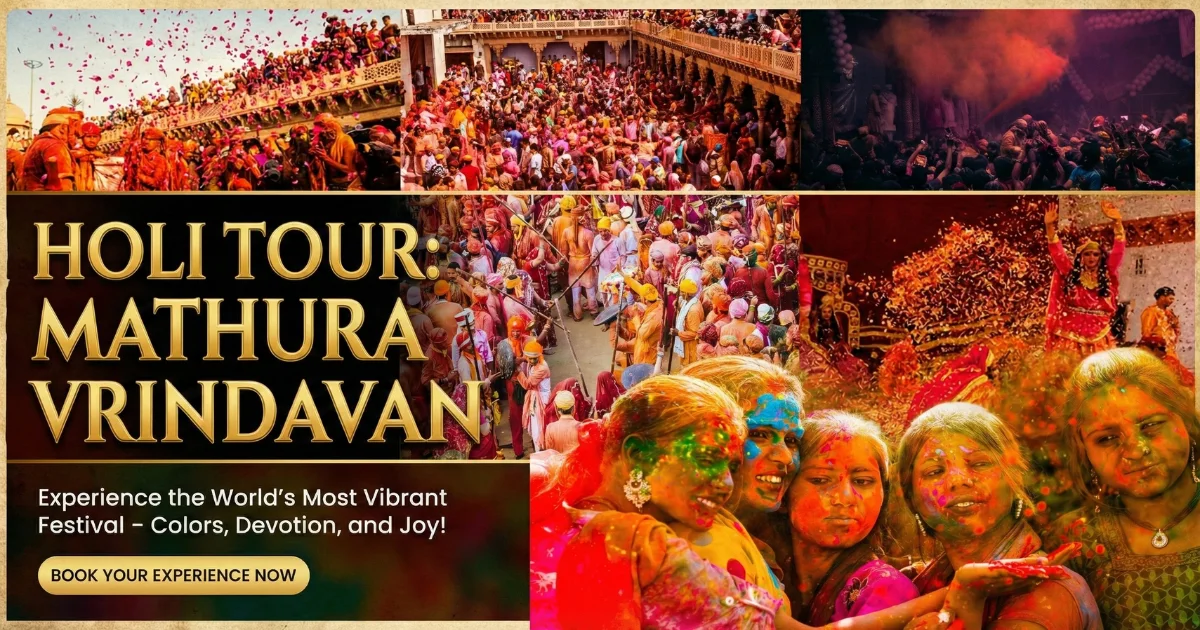
A Holi tour Mathura Vrindavan isn’t one big celebration squeezed into a single day. It’s a slow build that stretches across weeks. Temples start first. Villages respond next. Streets come much later.
Some days feel playful and light. Others feel devotional and inward. A few are physically demanding and not meant for everyone. People who try to cover everything usually return tired and confused. Those who choose carefully tend to leave with a deeper connection.
This journey works best when you let places unfold in sequence instead of forcing them into a checklist.
A short history that still shapes Holi here
In Braj, Holi isn’t recreated. It’s remembered.
Krishna’s childhood stories, Radha’s presence, village rivalries, teasing, music — these aren’t performances here. They’re part of everyday memory. That’s why temples lead Holi, not stages. Colour is offered before it’s played with. Bhajans rise inside courtyards long before streets fill up.
Even on the busiest days, locals follow an unspoken rhythm. You notice it only if you slow down.
Local guide tip
Spend a few minutes just watching before you step in. Braj Holi teaches timing better than any plan.
Official Holi tour Mathura Vrindavan dates 2026
Dates matter here. Each one carries a different meaning.
-
23 January 2026 – Basant Panchami Utsav, Banke Bihari Temple (Vrindavan Dham)
-
24 February 2026 – Phag Invitation, Nandgaon
-
24 February 2026 – Laddu Holi, Barsana Dham
-
25 February 2026 – Lathmar Holi, Barsana Dham
-
26 February 2026 – Lathmar Holi, Nandgaon
-
27 February 2026 – Phoolon Wali Holi (Vrindavan) & Janmabhoomi Huranga (Mathura)
-
1 March 2026 – Chhadimar Holi, Gokul
-
4 March 2026 – Main Holi, Mathura & Vrindavan
-
5 March 2026 – Dauji Huranga, Baldev
These are not interchangeable days. Each one shows a different side of Braj.
Places that shape a Holi tour Mathura Vrindavan
-
Vrindavan Dham – devotional, temple-led, emotionally intense but gentle
-
Barsana Dham – symbolic, crowded, physically demanding
-
Nandgaon – similar traditions, slightly softer pace
-
Mathura – organised temple Holi, grounded and structured
-
Gokul – playful, local, community-driven
-
Baldev – raw, traditional, not for first-timers
Trying to attend everything usually leads to exhaustion. Choosing what suits you leads to understanding.
Temple Holi during Holi tour Mathura Vrindavan
Temples don’t just host Holi here. They define it.
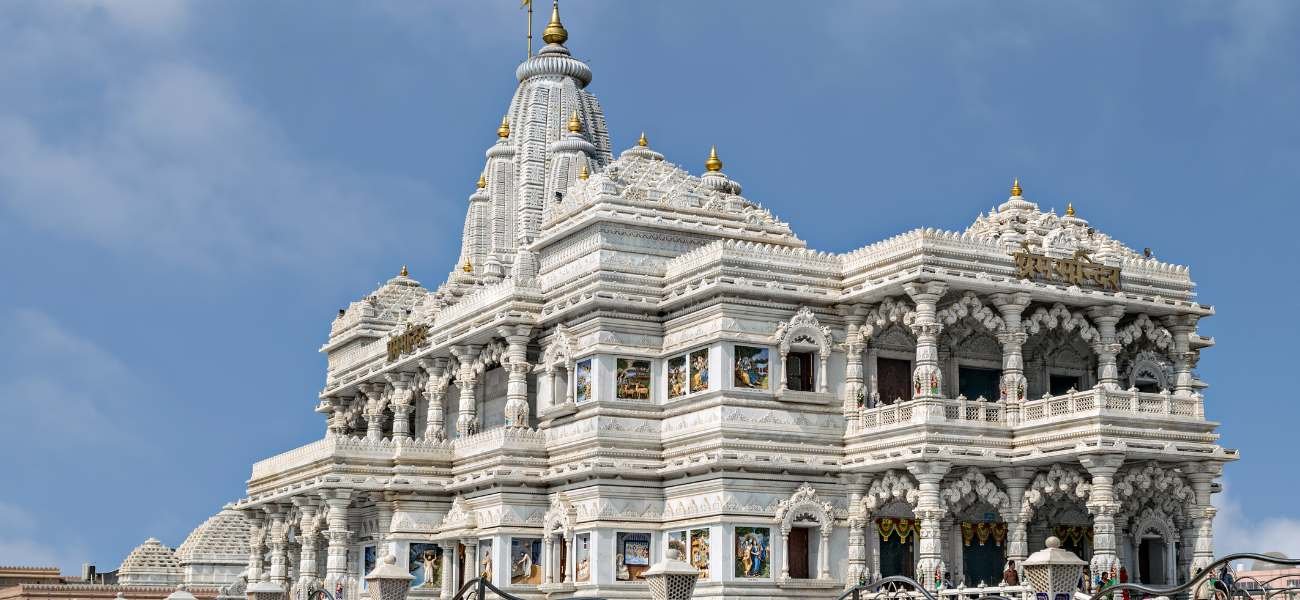
At Banke Bihari Temple, Phoolon Wali Holi replaces colour with flower petals. It’s brief, emotional, and unexpectedly calm.
At Krishna Janmabhoomi, Holi remains devotional. Entry is regulated. Movement is guided. Darshan stays central.
At Dwarkadhish Temple on main Holi day, energy rises sharply. Drums grow louder. Colours fill the air. Crowds thicken quickly.
Local guide tip
Temple Holi is best experienced early morning. After 10 AM, everything becomes faster and shorter.
Crowd reality during Holi tour Mathura Vrindavan
Crowds are part of Holi. Panic doesn’t have to be.
-
Early mornings till around 9 AM feel manageable
-
Late morning to early afternoon is the heaviest
-
Crowd mix includes devotees, families, photographers, and first-timers
Standing for hours in noise, colour, and sun drains energy quietly.
Local guide tip
One major Holi experience per day is enough. Let the rest be observed, not chased.
Safety tips for Holi tour Mathura Vrindavan
Mathura and Vrindavan are generally safe, but Holi needs awareness.
-
Wear full-sleeve cotton clothes
-
Keep phone and valuables protected
-
Avoid narrow lanes during peak hours
-
Respect temple rules
-
Drink water and rest often
Most problems come from rushing, not from the festival itself.
Nearby places to balance your Holi journey
After intense Holi days, calmer spaces help everything settle.
-
Gokul & Raman Reti – quiet and reflective
-
Govardhan – spacious, grounding after crowds
-
Evening Vrindavan darshan – peaceful closure to heavy days
Spacing your days matters more than covering distance.
How to reach Mathura & Vrindavan for Holi 2026
By car
Delhi to Mathura is about 180 km. Roads are fine, but traffic slows during Holi week. Parking near temples is limited, so walking becomes part of the experience.
By train
Mathura Junction is well connected but crowded during festival days. Waiting time increases.
By air
Delhi is the nearest airport. Reaching a day early always helps.
Local guide tip
Stay close to temple areas to reduce daily travel stress.
Why Vrindavan Mathura Tour Package fits well for Holi travellers
Holi trips fail when everything is rushed. A Vrindavan Mathura Tour Package works best when it respects pace, temple timings, and physical limits.
During Holi week, routes change, access shifts, and information travels locally, not online. Quiet planning support makes more difference than long sightseeing lists.
FAQs – Holi tour Mathura Vrindavan
- Is Holi tour Mathura Vrindavan suitable for first-time visitors?
Yes, if planned around mornings and temple-led celebrations rather than peak street play. - Which Holi experience feels most meaningful?
Phoolon Wali Holi in Vrindavan and temple Holi in Mathura. - Can families do this tour comfortably?
Yes. Early-day events and pre-main Holi days work best. - Is Lathmar Holi safe for everyone?
It is intense and symbolic. Best observed with guidance. - How many days are ideal?
Three to four days focused on selected events. - Are women travellers comfortable during Holi?
Generally yes, especially in temple-based settings. - Is photography allowed?
Yes, with sensitivity and without blocking devotees. - Where should I stay?
Near temples in Mathura or Vrindavan to reduce fatigue. - What’s the biggest mistake people make?
Trying to control the experience instead of flowing with it.
Conclusion
Some festivals drain you.
Some entertain you.
A Holi tour Mathura Vrindavan does something quieter. It teaches patience. It rewards observation. It reminds you that colour here is not just celebration, but memory.
You don’t leave because the music stops.
You leave because, at some point, you realise you’ve taken in enough.