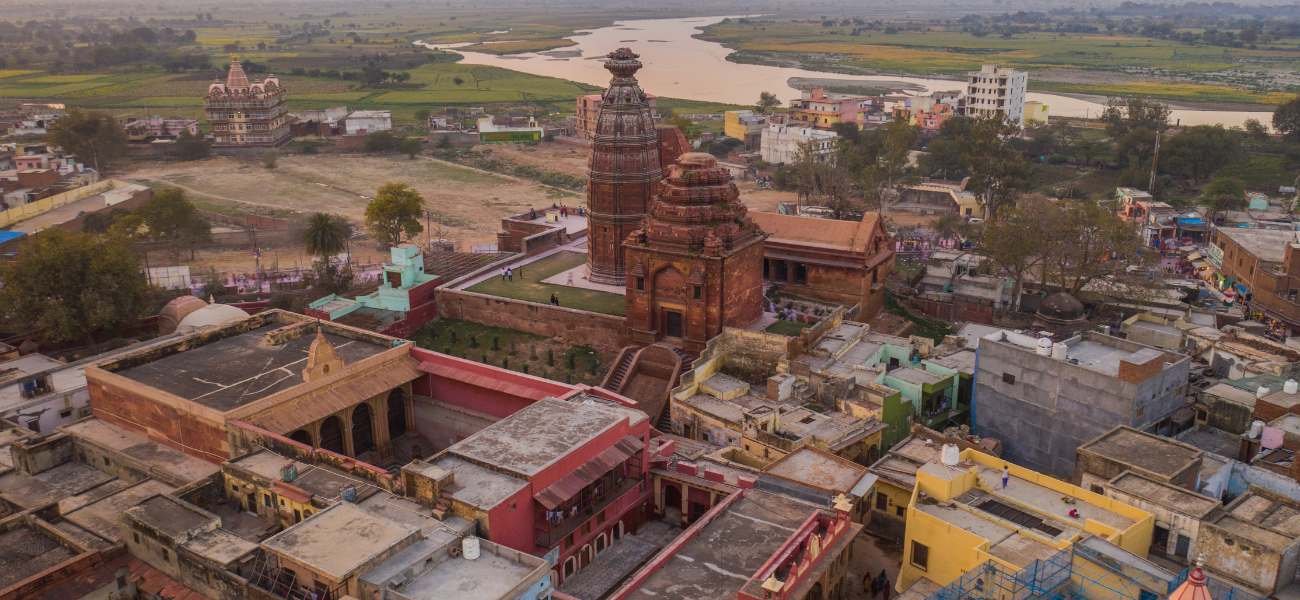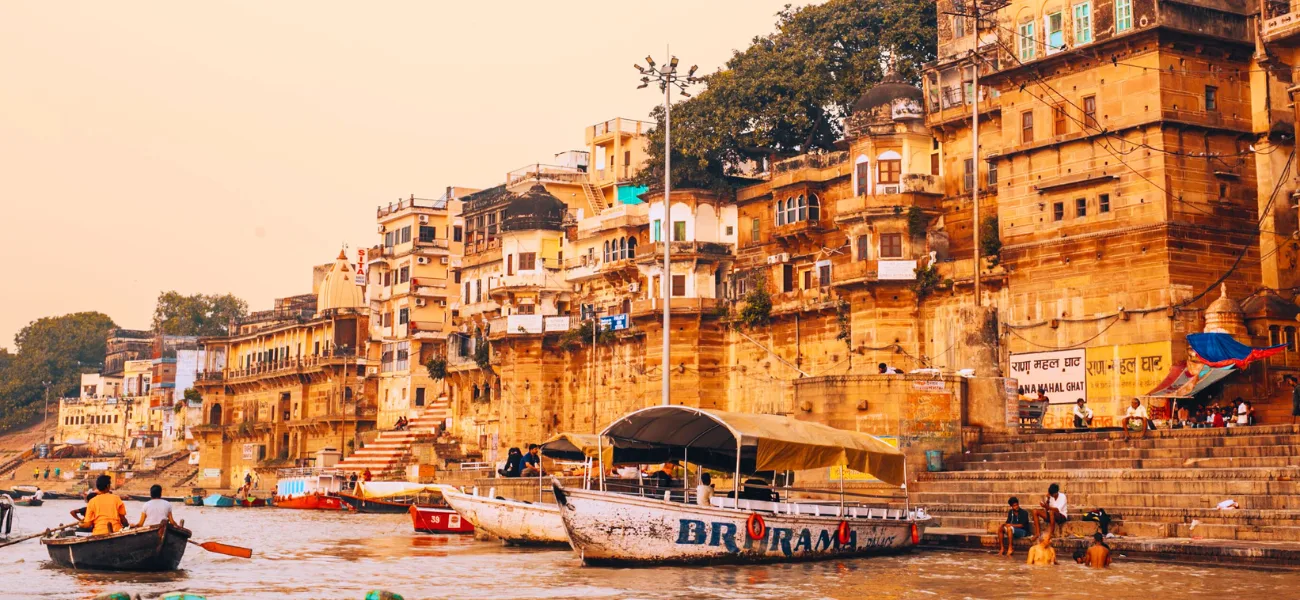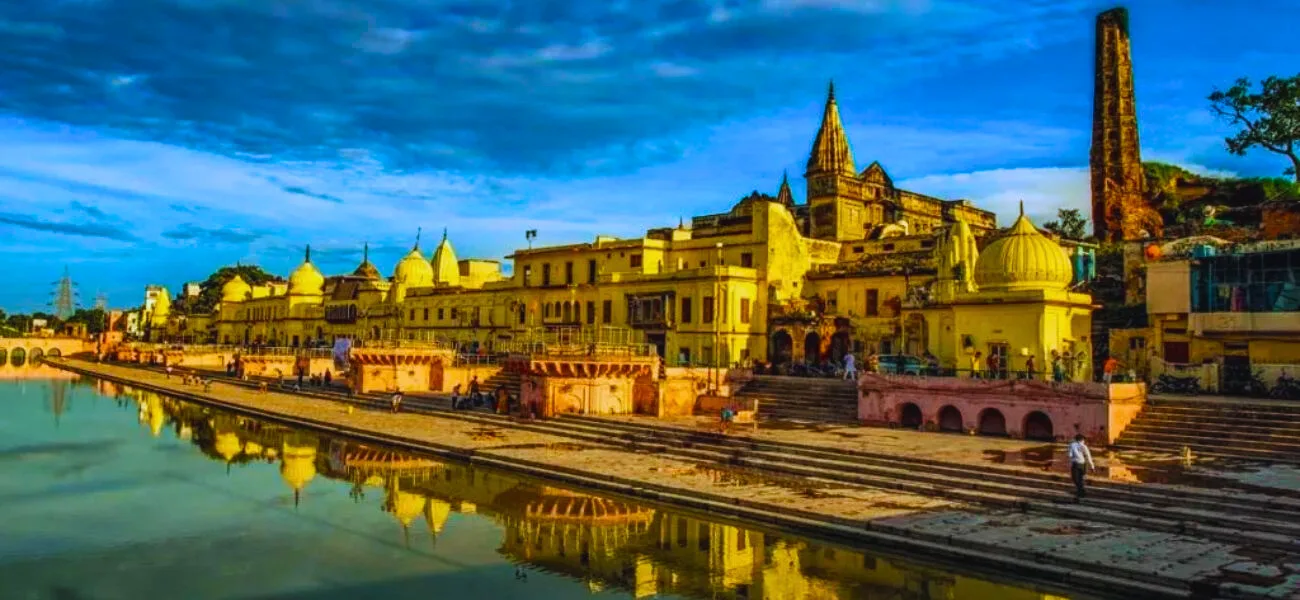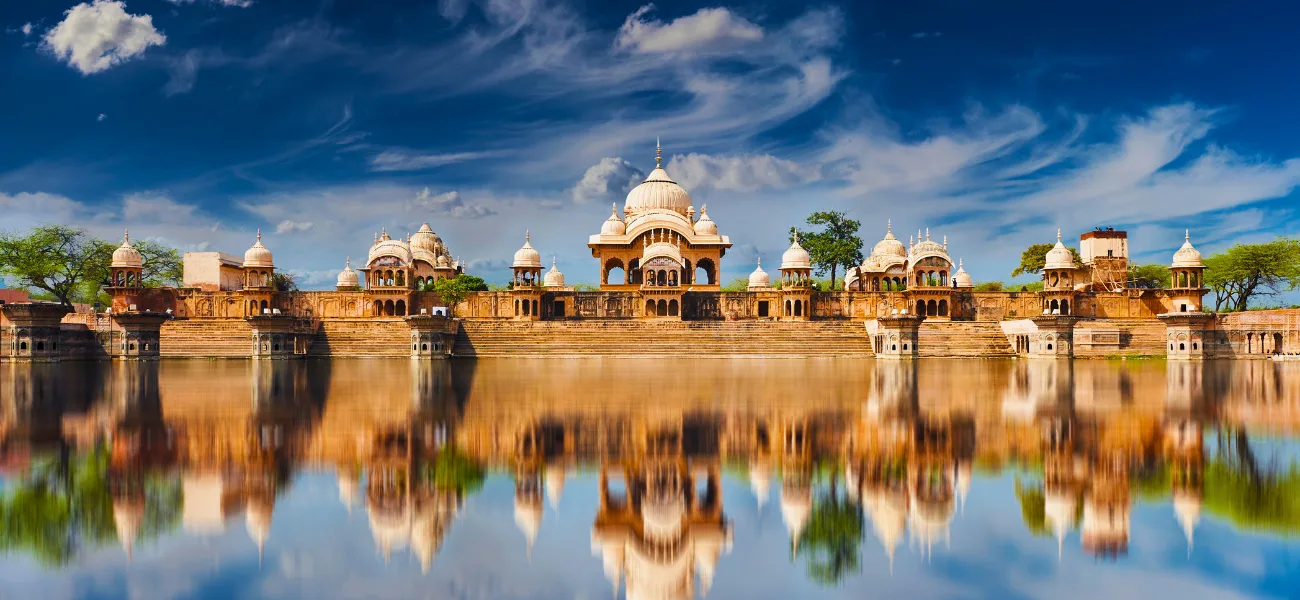



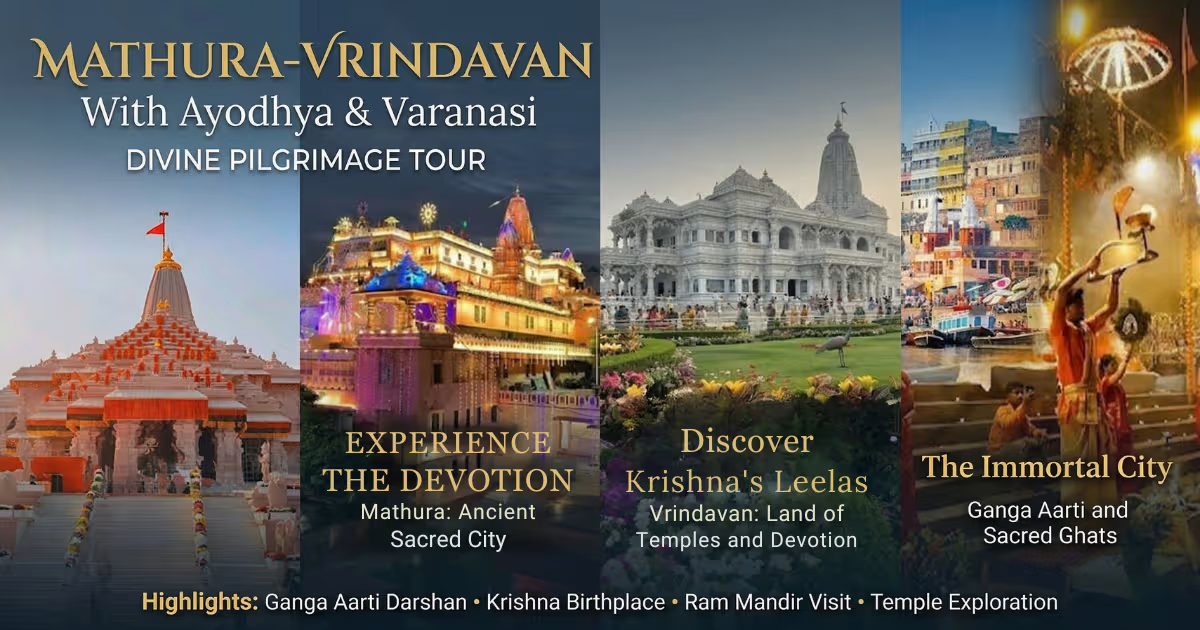
There’s a certain feeling you get when you travel through places that aren’t just destinations but carry stories people have believed in for centuries. A Mathura Vrindavan Tour with Ayodhya Varanasi isn’t just about ticking temples off a list. It slowly pulls you into a rhythm where mornings begin with temple bells, afternoons feel peaceful without trying too hard, and evenings become something you quietly sit through instead of rushing past.
If you’ve ever thought about combining Krishna’s land, Ram’s birthplace, and Shiva’s eternal city in one journey, this route makes a lot of sense. The travel is manageable, the experiences feel connected, and honestly, it gives you time to absorb things instead of just rushing through them.
Let’s break it down in a way that actually helps you plan it properly.
Table of Contents
ToggleWhy Choose Mathura Vrindavan Tour with Ayodhya Varanasi?
When people search for a Mathura Vrindavan Tour with Ayodhya Varanasi, they usually want one thing: a complete spiritual circuit without the stress of planning everything separately. And this route works because each destination adds a different layer.
- Mathura gives you the origin story of Lord Krishna
- Vrindavan shows you devotion in its most emotional form
- Ayodhya feels calm, grounded, and deeply connected to Lord Ram
- Varanasi, on the other hand, makes you pause and reflect
What makes this combination special is how the energy shifts gradually. You start with devotion, move into faith, and end with something more reflective.
Places Covered in Mathura Vrindavan Ayodhya Varanasi Tour
Mathura – Where It All Begins
Mathura isn’t just another city. It feels like everything here circles back to one point.
- Shri Krishna Janmabhoomi
- Dwarkadhish Temple
- Vishram Ghat
If you visit early morning, you’ll notice the crowd is quieter, and that’s when the place feels most real.
Vrindavan – Devotion That Feels Alive
Vrindavan is different. It’s not silent or slow. It’s full of chants, bhajans, and people who genuinely seem lost in devotion.
- Banke Bihari Temple
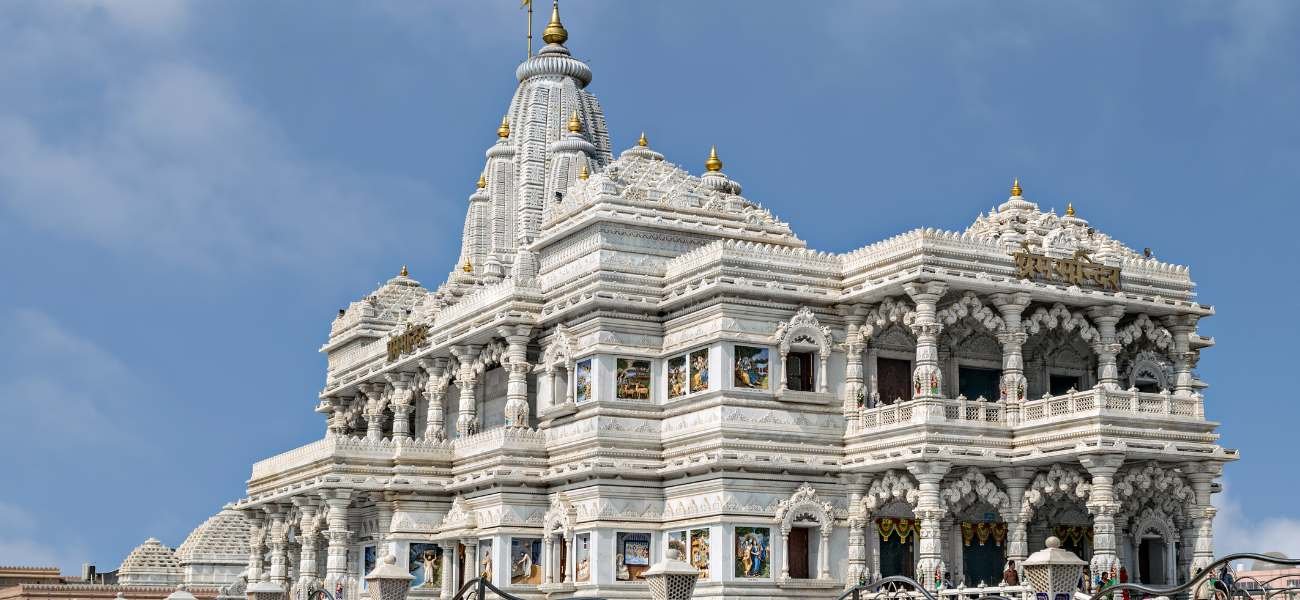
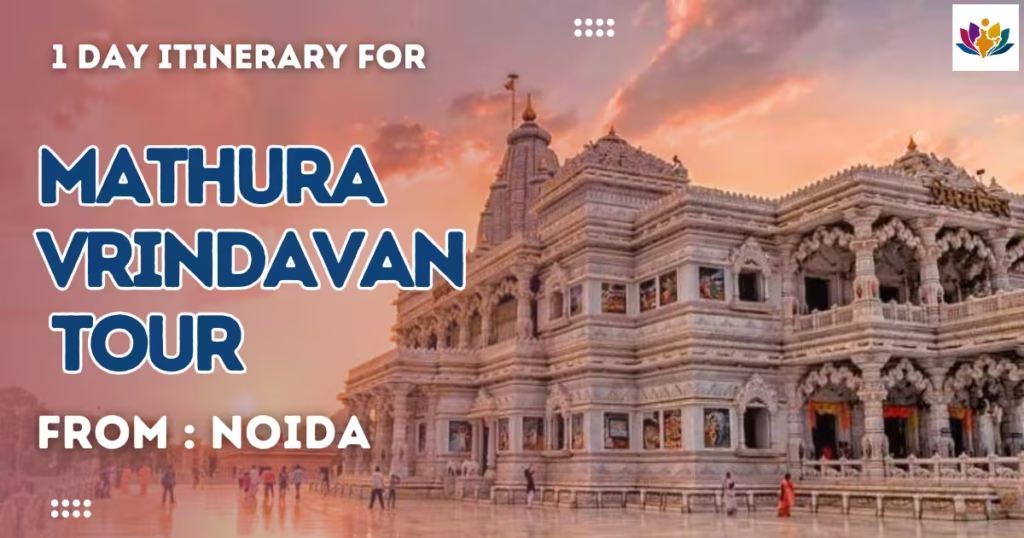
- Prem Mandir
- ISKCON Temple
Evening aarti at Prem Mandir is something you shouldn’t miss. The lighting, the crowd, the atmosphere… it stays with you.
Ayodhya – Peace That Feels Grounded
Ayodhya has changed a lot recently, but it still holds that calm, composed energy.
- Ram Janmabhoomi
- Hanuman Garhi
- Saryu River Aarti
Unlike Vrindavan, Ayodhya doesn’t feel crowded emotionally. It feels balanced.
Varanasi – Where Time Feels Different
Varanasi is not easy to explain. You experience it differently.
- Kashi Vishwanath Temple
- Dashashwamedh Ghat
- Ganga Aarti
The Ganga Aarti here is intense. Not loud in a chaotic way, but powerful.
Ideal Itinerary for Mathura Vrindavan Tour with Ayodhya Varanasi
Here’s a simple, practical itinerary that actually works on ground:
| Day | Plan |
| Day 1 | Arrival + Mathura Sightseeing |
| Day 2 | Vrindavan Full Day Tour |
| Day 3 | Travel to Ayodhya |
| Day 4 | Ayodhya Darshan |
| Day 5 | Travel to Varanasi |
| Day 6 | Varanasi Sightseeing + Ganga Aarti |
| Day 7 | Departure |
This plan gives you enough time without making it exhausting.
Best Time for Mathura Vrindavan Ayodhya Varanasi Tour
Timing matters more than people think.
| Season | Experience |
| Oct – March | Best weather, comfortable travel |
| April – June | Hot, can be tiring |
| July – Sept | Rainy, but less crowded |
If you want a balanced experience, winter months are the safest choice.
Travel Distance & Route Overview
Understanding the route helps a lot when planning:
| Route | Distance | Time |
| Mathura to Vrindavan | 15 km | 30 mins |
| Mathura to Ayodhya | 560 km | 8–9 hrs |
| Ayodhya to Varanasi | 220 km | 4–5 hrs |
The journey is long between cities, so planning rest is important.
How to Reach Mathura Vrindavan Ayodhya Varanasi
By Road
Road trips work well if you like flexibility. Highways are decent, but long drives need planning.
By Train
Most convenient option. Direct trains connect all major points.
By Air
- Nearest airport for Mathura/Vrindavan: Delhi
- Ayodhya Airport is now operational
- Varanasi has a well-connected airport
Entry Rules & Temple Guidelines
This is something people often overlook:
- Mobile phones may be restricted inside major temples
- Dress modestly (especially in Ayodhya & Varanasi temples)
- Weekends and festivals = heavy crowd
- Early morning visits are always smoother
Spiritual Experience: What You Actually Feel
This part is hard to explain unless you’ve been there.
In Mathura, you feel curiosity.
In Vrindavan, you feel emotion.
In Ayodhya, you feel calm.
In Varanasi, you feel perspective.
And somewhere in between all of this, you slow down without realizing it.
Local Guide Tip (Real Insight)
If you’re planning a Mathura Vrindavan Tour with Ayodhya Varanasi, try not to rush temple visits.
Instead of visiting 5–6 temples in a day, pick 2–3 and spend time there. Sit for a few minutes, observe people, and listen to chants. That’s where the real experience is.
Also, avoid peak darshan hours unless necessary. Early mornings or late evenings are always better.
Nearby Places You Can Add (If You Have Extra Time)
- Gokul (near Mathura)
- Nandgaon & Barsana
- Sarnath (near Varanasi)
These places add depth to your journey if you’re not in a hurry.
Planning Support Partner
If you’re someone who prefers a smooth, well-organized trip without worrying about hotel bookings, transport, and temple timing coordination, Vrindavan Mathura Tour Package can help simplify things.
They usually understand crowd patterns, temple timings, and route planning better than generic travel agencies, which honestly makes a big difference on this route.
Contact: Vrindavan Mathura Tour Package Today:
Call Us: +91 7300620809
WhatsApp Us: +91 7300620809
Visit Our Website: Vrindavan Mathura Tour Package
Common Mistakes to Avoid
- Trying to cover everything too fast
- Ignoring travel fatigue between cities
- Visiting temples only during peak hours
- Not checking festival dates (can affect crowd massively)
Conclusion
A Mathura Vrindavan Tour with Ayodhya Varanasi is not the kind of trip you finish and forget. It stays with you in small ways, sometimes in the sound of temple bells, sometimes in quiet moments by the river. It’s not about how many places you covered, but how much you actually experienced while being there. If you plan it well, take it slow, and stay present, this journey becomes more than just travel. It becomes something you remember without trying too hard.