



If you’ve ever stood in Vrindavan early in the morning, you already know the feeling. The town wakes slowly. Bells ring somewhere distant. The air smells faintly of incense and dust. And almost instinctively, you start noticing people walking. Barefoot. Calm. Focused. That’s usually the moment visitors ask the same question, quietly or aloud. What exactly is the Vrindavan Parikrama, and how do people walk it so effortlessly?
Vrindavan Parikrama isn’t something you rush into. It’s not a checklist activity. It’s more like easing into a rhythm that already exists. This guide walks you through the Vrindavan Parikrama distance, route, spiritual stops, and practical realities, the way locals understand it, not the way brochures describe it.
Understanding Vrindavan Parikrama and Its Meaning
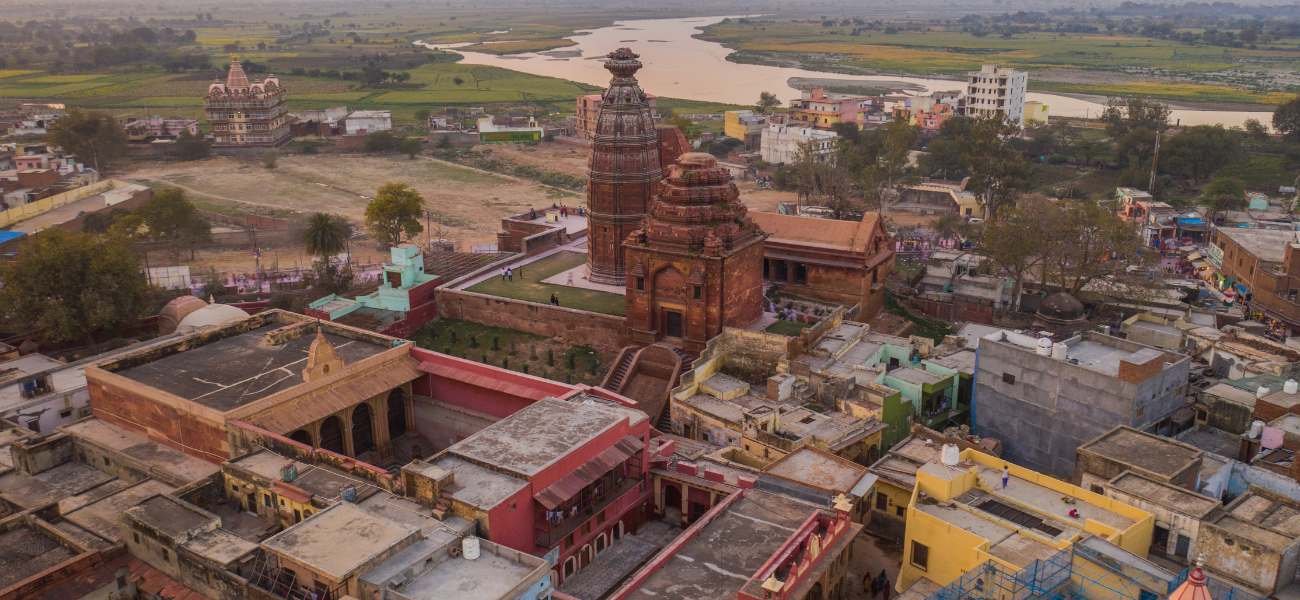
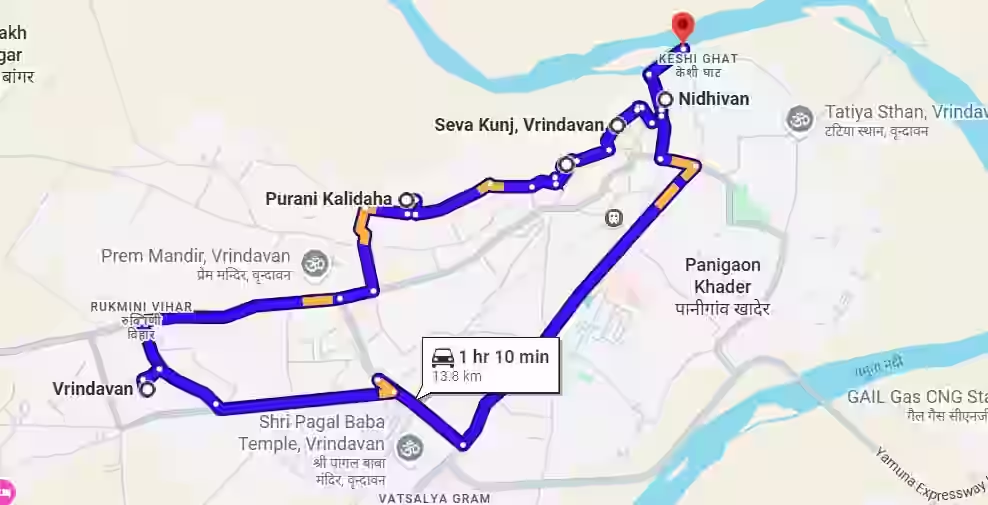
The Vrindavan Parikrama is a sacred circumambulation of the town where Lord Krishna spent his childhood and youth. The traditional Vrindavan Parikrama distance is around 13 kilometers, following the ancient Vrindavan Parikrama Marg that connects forests, temples, ghats, and quiet ashrams.
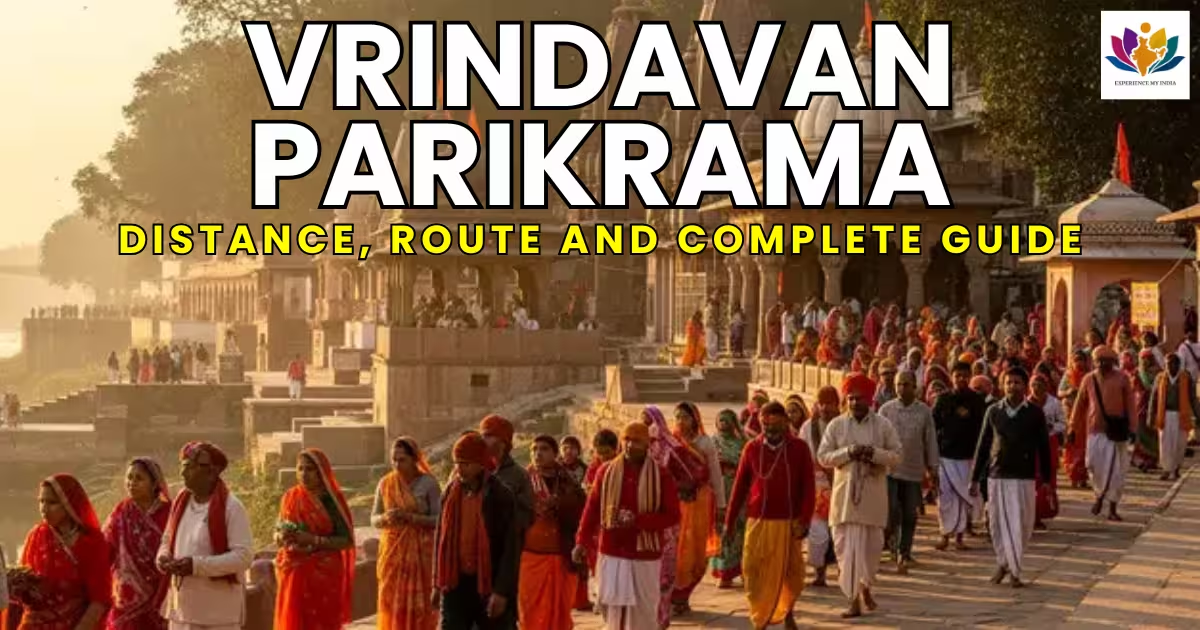
In my experience, first-time visitors often assume it’s just a long walk. It’s not. The parikrama feels slower, even when your feet keep moving. Devotees chant softly, pause without hurry, and let the route decide the pace.
Surprisingly, people of all ages attempt it. Some walk the entire distance barefoot. Others pause, rest, then continue. Both ways are accepted. What matters more is intention, not speed.
Vrindavan Parikrama Distance and Time Reality
Let’s talk honestly about distance and time.
- Total Vrindavan Parikrama distance: Approximately 13 km
- Average time to complete: 4 to 6 hours
- Ideal start time: Between 4:30 AM and 6:00 AM
Here’s the thing. Time varies widely. Someone deeply absorbed in chanting may finish quicker than someone stopping often at temples. Weather matters too. Summers stretch the experience. Winters make it easier.
I’ve found that starting early changes everything. Roads are quieter. Temples feel calmer. And you don’t feel rushed, which matters more than finishing early.
Vrindavan Parikrama Route Explained Simply
The Vrindavan Parikrama route doesn’t have a single mandatory starting point, but most devotees begin from places that feel spiritually grounding.
Common starting points include:
- Govind Dev Temple area
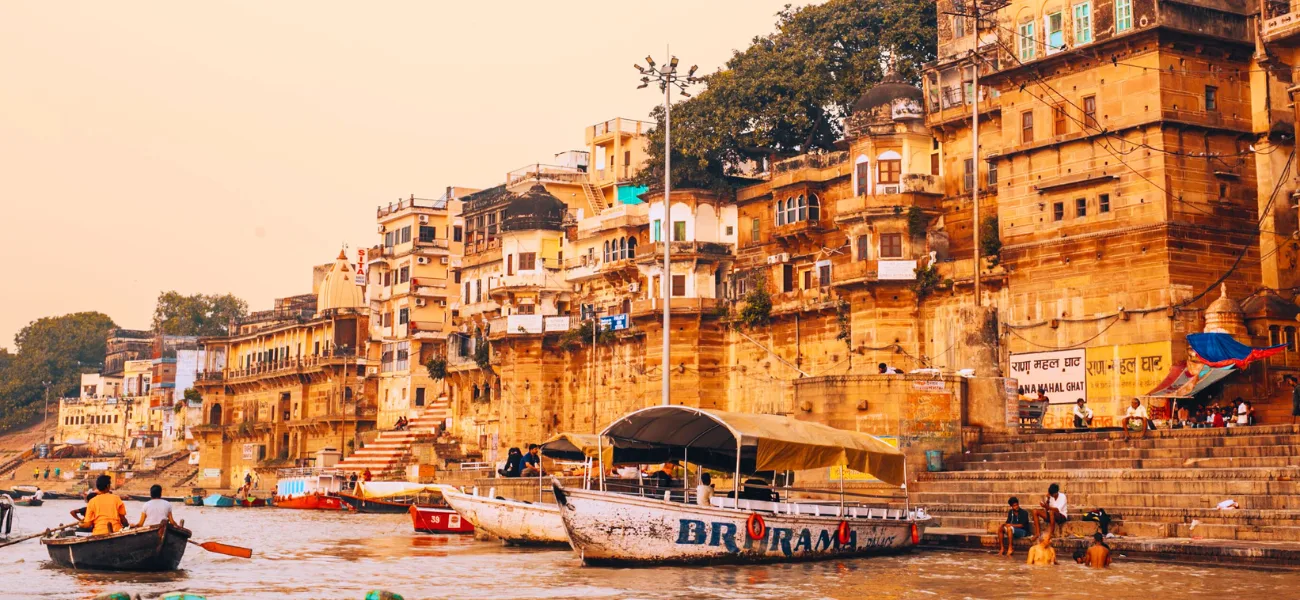
- Yamuna Ghat near Keshi Ghat
From there, the Vrindavan Parikrama Marg moves in a broad circle around the town. You’re rarely isolated. There’s always someone ahead, someone behind. That shared movement creates a quiet sense of safety.
The route is mostly flat, though certain stretches are uneven. Some parts feel busy, others almost rural. That contrast is part of the experience.
Spiritual Spots Along Vrindavan Parikrama Marg
One reason the Vrindavan Parikrama feels meaningful is the number of spiritually charged places you pass naturally, without detours.
Key Spiritual Stops You’ll Encounter
- Madan Mohan Temple: Often one of the first major temples devotees bow at. It sets the tone.
- Imli Tala: A quiet spot connected to Chaitanya Mahaprabhu’s bhajans. People slow down here instinctively.
- Seva Kunj: Deeply symbolic, associated with Radha-Krishna leelas. Silence feels natural here.
- Nidhivan: Perhaps the most emotionally intense stop. Many people pause longer than planned.
There are dozens of smaller shrines too. Some you’ll notice. Some you’ll walk past unknowingly. That’s okay. The parikrama doesn’t demand perfection.
What the Walk Actually Feels Like
This part doesn’t get explained enough.
Physically, the Vrindavan Parikrama is manageable. Spiritually, it can feel heavier than expected. Not overwhelming. Just layered.
You might feel peaceful one moment, restless the next. That’s normal. Many devotees experience emotional swings, especially near Nidhivan or Seva Kunj.
Honestly, that unpredictability is part of why people return.
Safety Tips for Vrindavan Parikrama
Crowds vary by season, but safety always matters.
Local Guide Tip
Walk on the inner side of the parikrama road whenever possible. Locals instinctively do this to avoid sudden vehicle movement, especially near market stretches.
Other practical safety points:
- Wear simple, comfortable clothing
- Carry minimal valuables
- Keep water but avoid heavy bags
- Watch your footing near older stone paths
Women often ask if the route is safe. Generally, yes. Early mornings are calmer. Group walking adds comfort.
Best Time to Do Vrindavan Parikrama
Timing can make or break the experience.
- Best months: October to March
- Avoid peak summer afternoons
- Festival days: Expect heavy crowds and slower movement
By the way, many locals avoid Ekadashi mornings due to crowd density unless they’re experienced walkers. That’s something visitors rarely hear.
How to Reach Vrindavan for Parikrama
Reaching Vrindavan is straightforward, but planning helps.
By Car
- Well-connected from Delhi, Agra, and Mathura
- Parking available near major temples
- Early arrival avoids congestion
By Train
- Nearest major station: Mathura Junction
- Auto or taxi to Vrindavan takes about 20–30 minutes
And By Air
- Nearest airport: Delhi
- Road journey required after flight
Once in Vrindavan, everything becomes walkable. That’s part of its charm.
Why People Choose Guided Parikrama Support
Not everyone wants to manage timings, starting points, or rest stops alone. As a Planning Support Partner, Vrindavan Mathura Tour Package often helps visitors align their parikrama with temple timings, seasonal conditions, and realistic pacing.
Vrindavan isn’t difficult. It’s layered. Understanding when to slow down matters more than knowing where to walk.
Contact: Vrindavan Mathura Tour Package Today
Call Us: +91 7300620809
WhatsApp Us: +91 7300620809
Visit Our Website: Vrindavan Mathura Tour Package
Vrindavan Mathura Tour Package is a Unit of Experience My India.
Experience My India Trip Advisor Review
FAQs – Vrindavan Parikrama
Q1. What is the total distance of Vrindavan Parikrama?
The Vrindavan Parikrama distance is approximately 13 kilometers. The full route circles the sacred town and passes through temples, ghats, and forest areas connected with Lord Krishna’s leelas.
Q2. How much time does Vrindavan Parikrama usually take?
On average, Vrindavan Parikrama takes 4 to 6 hours, depending on walking speed, rest stops, and time spent at temples. Devotees who stop frequently for darshan may take longer.
Q3. What is the best time of day to start Vrindavan Parikrama?
The ideal time to start is early morning between 4:30 AM and 6:00 AM. At this time, the weather is pleasant, crowds are lighter, and the spiritual atmosphere feels calmer.
Q4. Can Vrindavan Parikrama be done barefoot?
Yes, many devotees perform Vrindavan Parikrama barefoot as an act of devotion. However, it’s not compulsory. If the ground feels too hot or uncomfortable, wearing simple walking footwear is acceptable.
Q5. Is Vrindavan Parikrama safe for senior citizens?
Vrindavan Parikrama can be done by senior citizens if started early and taken slowly. Regular breaks, light walking, and avoiding peak crowd hours make the experience safer and more comfortable.
Q6. Where does Vrindavan Parikrama usually start and end?
Most devotees begin the parikrama near Govind Dev Temple or Yamuna Ghat. Since the route is circular, the starting and ending point remains the same.
Q7. Are there temples on the Vrindavan Parikrama route?
Yes, the Vrindavan Parikrama route passes several important temples such as Madan Mohan Temple, Seva Kunj, Nidhivan, and Imli Tala. Many devotees pause briefly at each spot.
Q8. Which months are best for Vrindavan Parikrama?
The best months are October to March, when the weather is cooler. Summers can be physically exhausting, especially after mid-morning.
Q9. Can children participate in Vrindavan Parikrama?
Children can join Vrindavan Parikrama, but it’s better to plan shorter walks, carry water, and avoid crowded festival days. Early morning hours are more suitable for families.
Q10. Is it possible to stop or rest during Vrindavan Parikrama?
Yes, resting during Vrindavan Parikrama is completely normal. Benches, temple courtyards, tea stalls, and shaded spots are available along the route for short breaks.
Conclusion
The Vrindavan Parikrama isn’t about distance, even though the 13 km route matters. It’s about how time behaves differently once you step onto the Vrindavan Parikrama Marg. You walk, you pause, you notice things you didn’t plan to notice.
Some people finish tired but calm. Others finish with more questions than answers. Both outcomes are valid. That’s the quiet truth of Vrindavan.
If you approach the parikrama with patience, respect, and a bit of humility, the town tends to meet you halfway. And often, that’s enough.